Specifications
- Denomination
- 1 sovereign
- Series
- Gold sovereign
- Designer
- Benedetto Pistrucci (St George reverse); obverse designers vary by reign
- Years of issue
- 1817-present
- Composition
- 91.67% Gold, 8.33% Copper
- Weight
- 7.9881 g
- Diameter
- 22.05 mm
- Key mintages
- Type overview spanning 1817 to present; no single mintage figure applies. Branch-mint issues (Sydney, Melbourne, Perth, Ottawa, Bombay, Pretoria) carried their own mint marks.
Melt value: $1,022.95
Britain's 22-carat gold workhorse, struck to an unchanged 1817 specification — the world's most widely recognised gold coin.
History
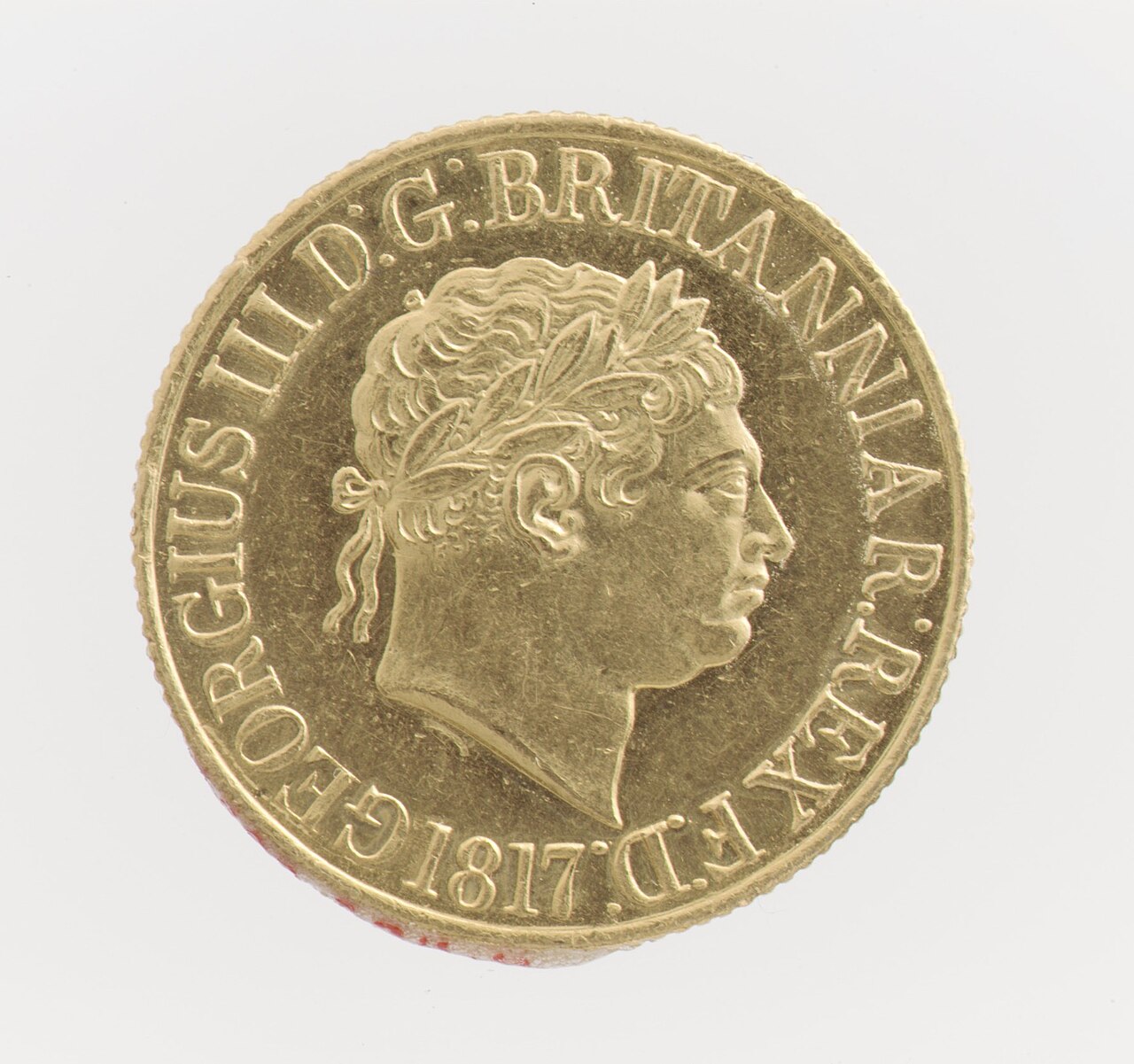
- The modern sovereign was introduced in 1817 as part of the Great Recoinage that followed the Napoleonic Wars, replacing the guinea (21 shillings) with a coin worth exactly £1 (20 shillings); it was proclaimed legal tender on 1 July 1817 alongside the half sovereign (Numismatic News, accessed 2026-09-16).
- The specification has remained constant for more than two centuries: 22-carat gold (.9167 fine), 123.27448 grains (7.98805 g), a 22.05 mm flan, and 0.2354 troy oz of pure gold per coin (Numismatic News, accessed 2026-09-16).
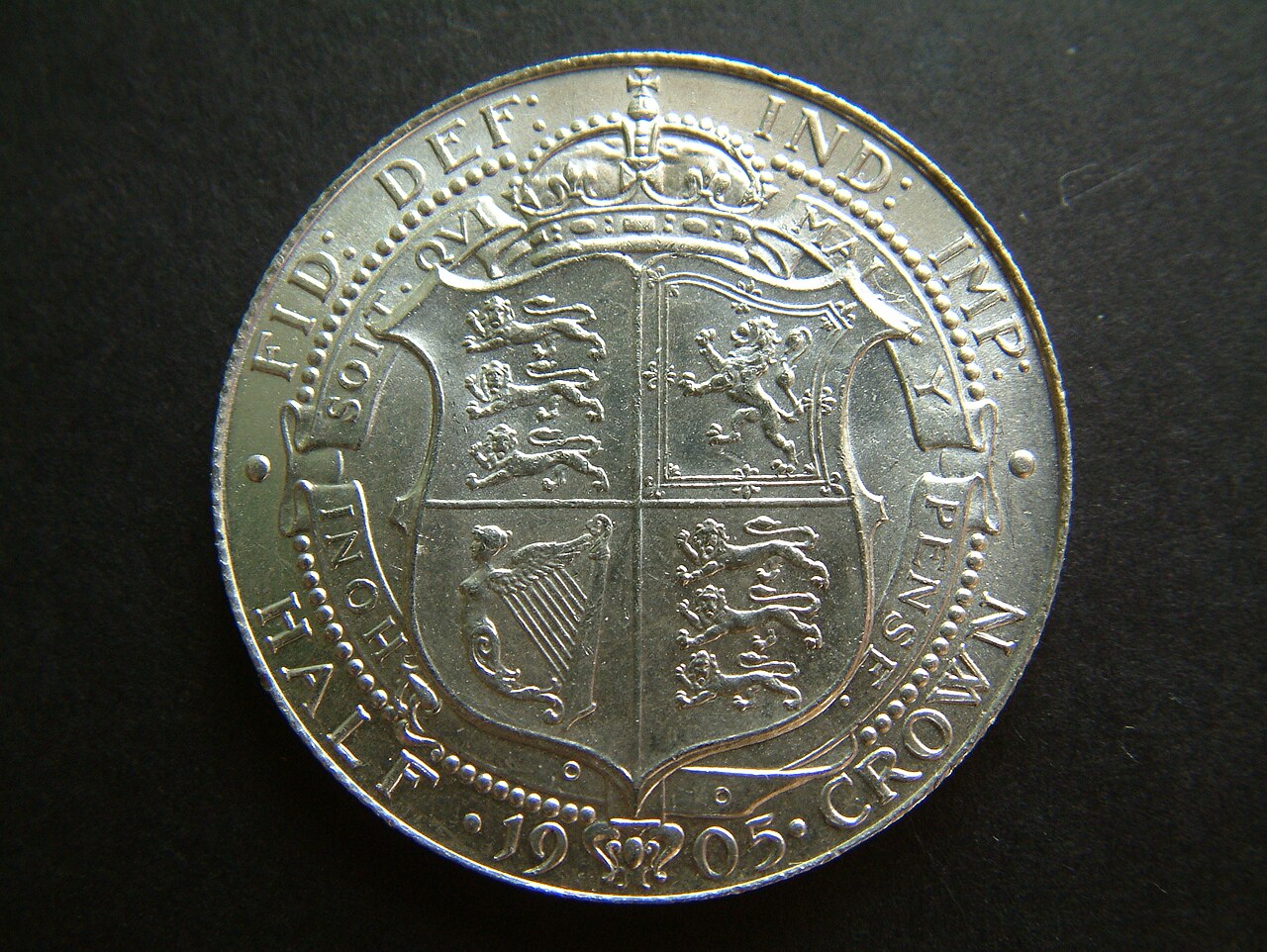
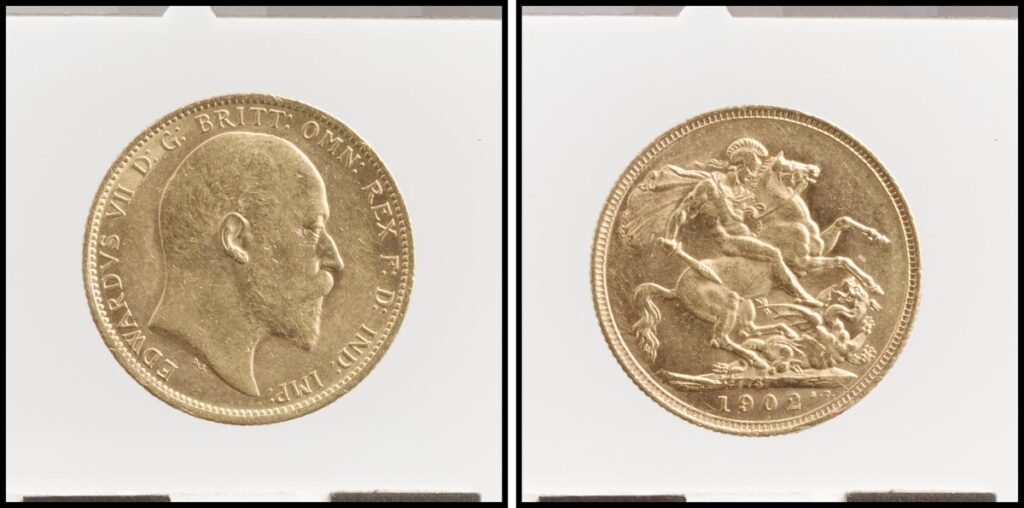
- The reverse — St George and the dragon by Italian engraver Benedetto Pistrucci — was adopted with the 1817 issue and has become synonymous with the sovereign; on 1817–1820 issues St George carries a spear within the Order of the Garter and its motto HONI SOIT QUI MAL Y PENSE (Museums Victoria; Britannia Coin Company, accessed 2026-09-16).
- The name traces to the Tudor sovereign first issued under Henry VII in 1489, valued at one pound sterling (Chards, accessed 2026-09-16).
- Overseas branch mints struck sovereigns to meet demand: Sydney (S, 1871–1926), Melbourne (M, 1872–1931), Perth (P, 1899–1931), Ottawa (C, 1908–1919), Bombay (I, 1918) and Pretoria (SA, 1923–1932), each with its own mintmark placed above the date (Chards, accessed 2026-09-16).
- The three Australian branch mints struck more than 400 million sovereigns between 1855 and 1931 — around 40% of the sovereigns circulating in the UK during the first decade of the twentieth century (Royal Mint, accessed 2026-09-16).
- Sovereigns left everyday circulation during the First World War; London production stopped in 1917 (branch mints continued), and no further sovereigns were issued for circulation until 1957 — proof sovereigns have been issued annually since 1979 (gmic.co.uk, accessed 2026-09-16).
Key dates and varieties
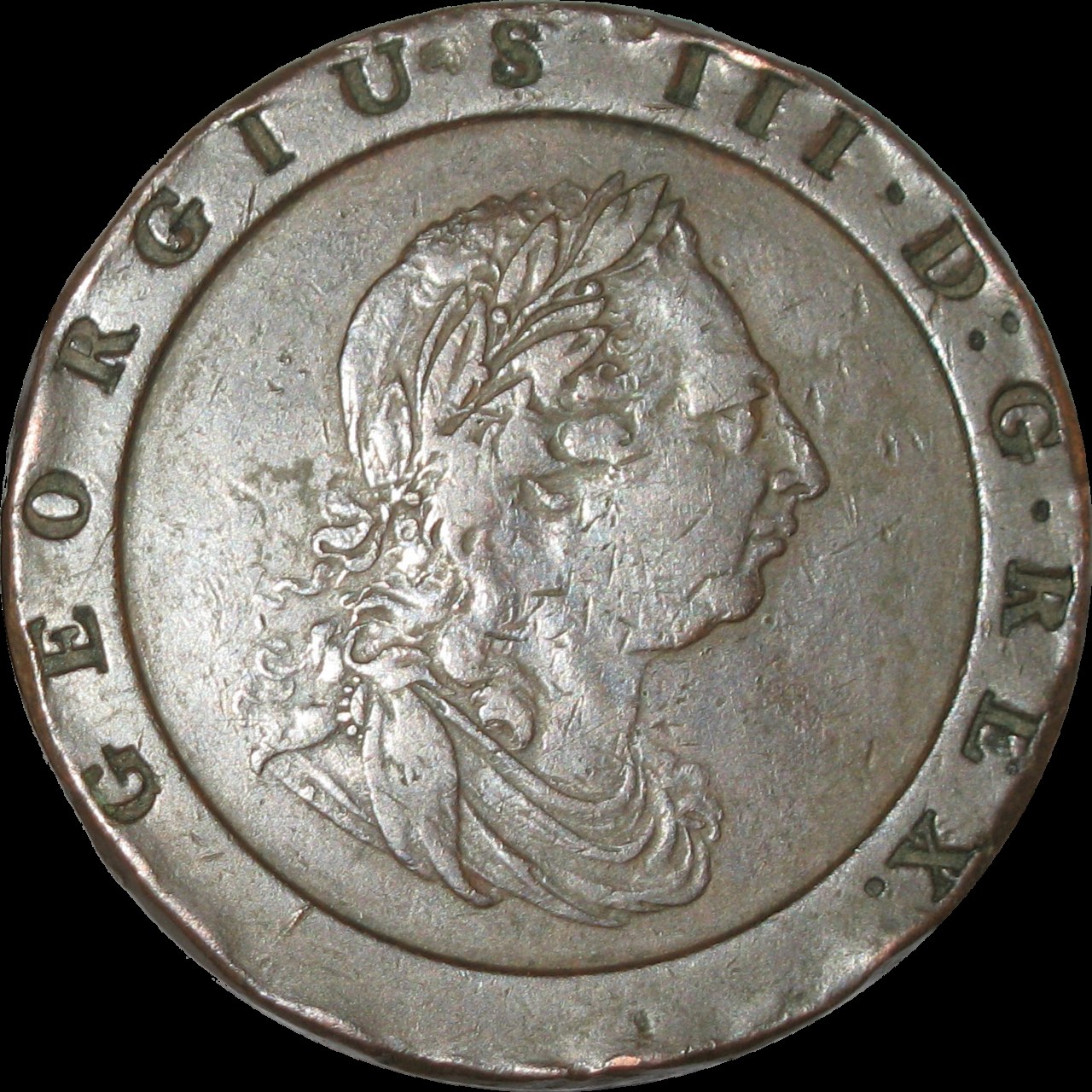
- 1819 (George III) — mintage just 3,574 (3,235,239 in 1817; 2,347,230 in 1818), the rarest sovereign of the nineteenth century; fewer than 10 examples are thought to exist, and Michael Marsh’s ‘The Gold Sovereign’ gives it the highest rarity rating in the series (Numismatic News; Royal Mint history PDF; CoinNews, accessed 2026-09-16).
- 1828 (George IV) — the second rarest London-mint sovereign after 1819; the 1828-dated dies were reportedly not in use until November, so only a small share of the 386,182 sovereigns struck that year carry the 1828 date (VCoins / Wessex Coins, accessed 2026-09-16).
- 1918-I Bombay — wartime branch issue: 1,294,372 struck in a single year using South African gold, identified by a small ‘I’ mintmark; the Bombay branch closed with its last sovereign on 22 April 1919 (Wikipedia, accessed 2026-09-16).
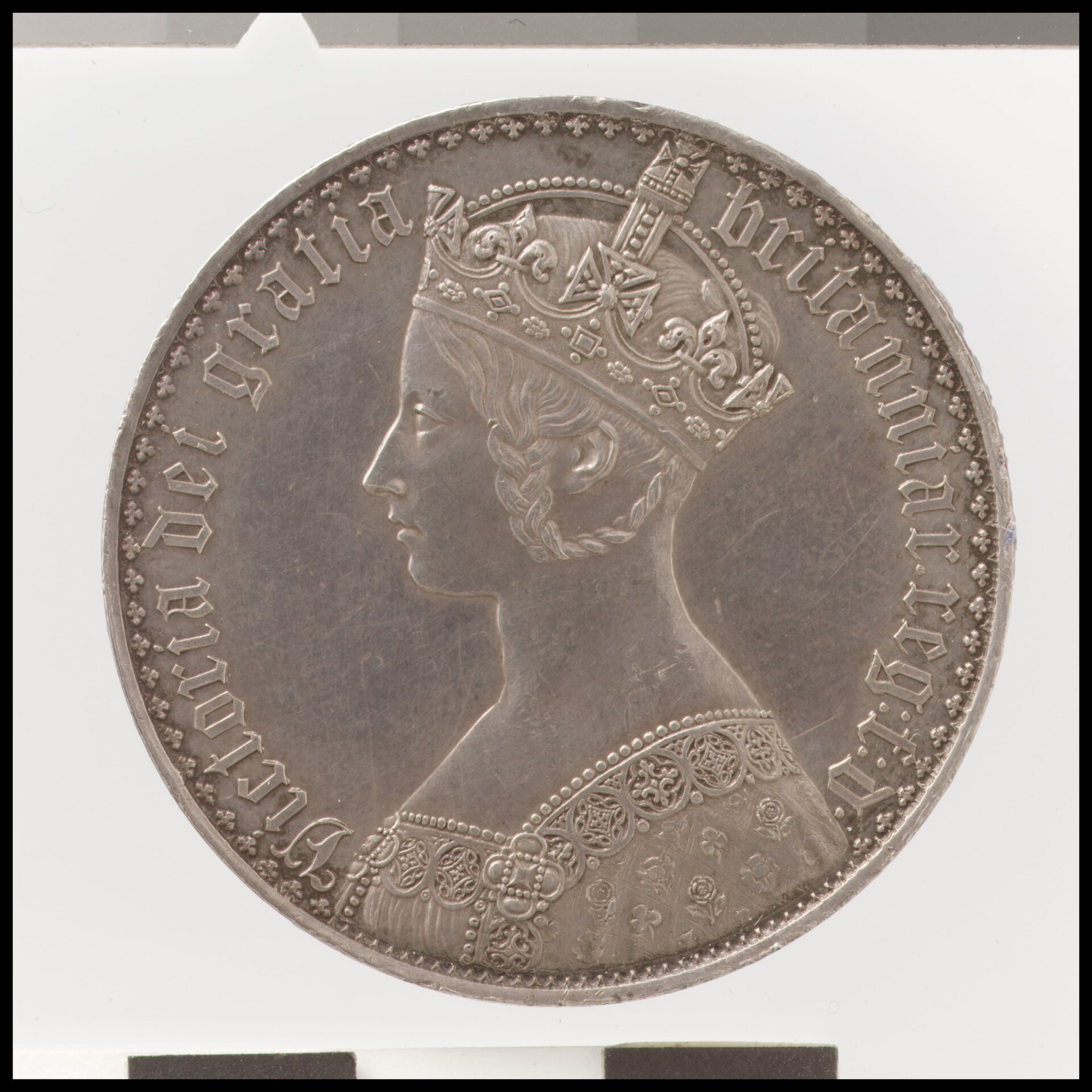
- Early Victoria ‘shield’ sovereigns (crowned shield of the Royal Arms reverse by Jean Baptiste Merlen, William Wyon obverse) are collected as a type distinct from St George issues (Chards, accessed 2026-09-16).
Specifications
- composition
- designers
- diameter
- edge
- weight
Collector notes
- Circulated bullion-grade examples trade on gold content plus a modest premium; key dates and high grades carry strong numismatic premiums, so collect or flip — the two markets behave very differently (guidance).
- Verify weight (7.988 g), diameter (22.05 mm) and that the coin is non-magnetic; counterfeit sovereigns are widespread, and sovereigns never carry a denomination on the coin (Numismatic News; Britannia Coin Company, accessed 2026-09-16).
- Check for the mintmark in the exergue above the date — branch-mint sovereigns (S, M, P, C, I, SA) carry premiums over London issues (Chards, accessed 2026-09-16).
- English law allows a sovereign to remain legal tender so long as it weighs at least 7.93787 g — about 0.6% below full standard weight is the allowance for wear (Online Coin Club, accessed 2026-09-16).
- Sovereigns are VAT-free in the UK as gold coins and, as legal tender, are exempt from Capital Gains Tax — part of their investment appeal (Chards, accessed 2026-09-16).
Market check
Compare live listings for this coin on eBay:
Search eBay for Gold Sovereign (1817–present)
As an eBay Partner, The Coin Wiki may earn from qualifying purchases.