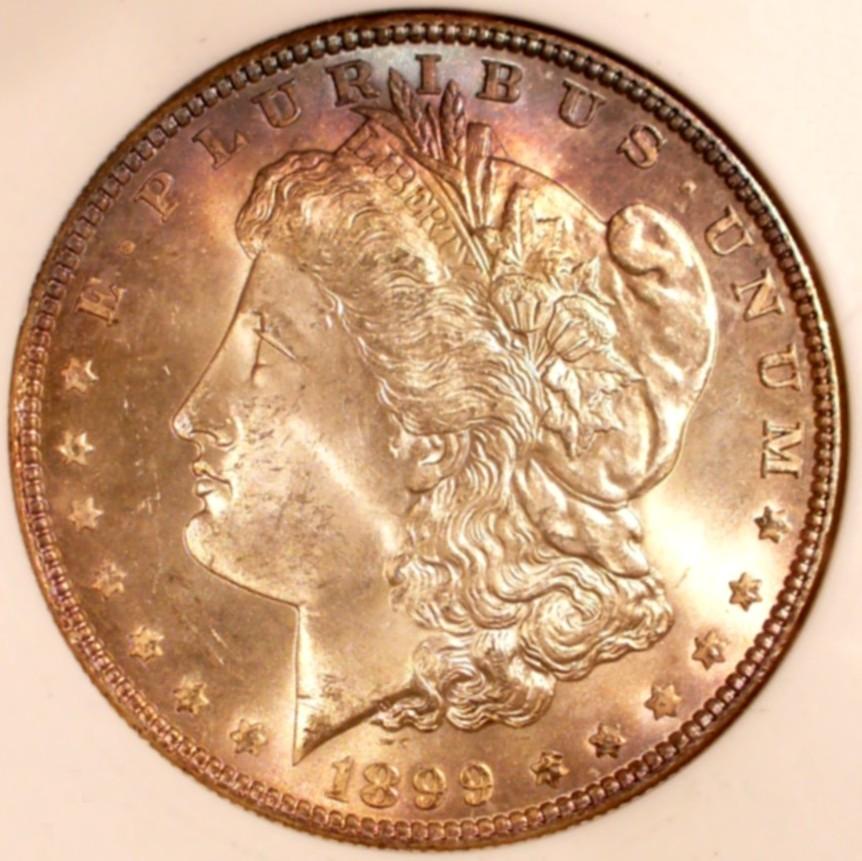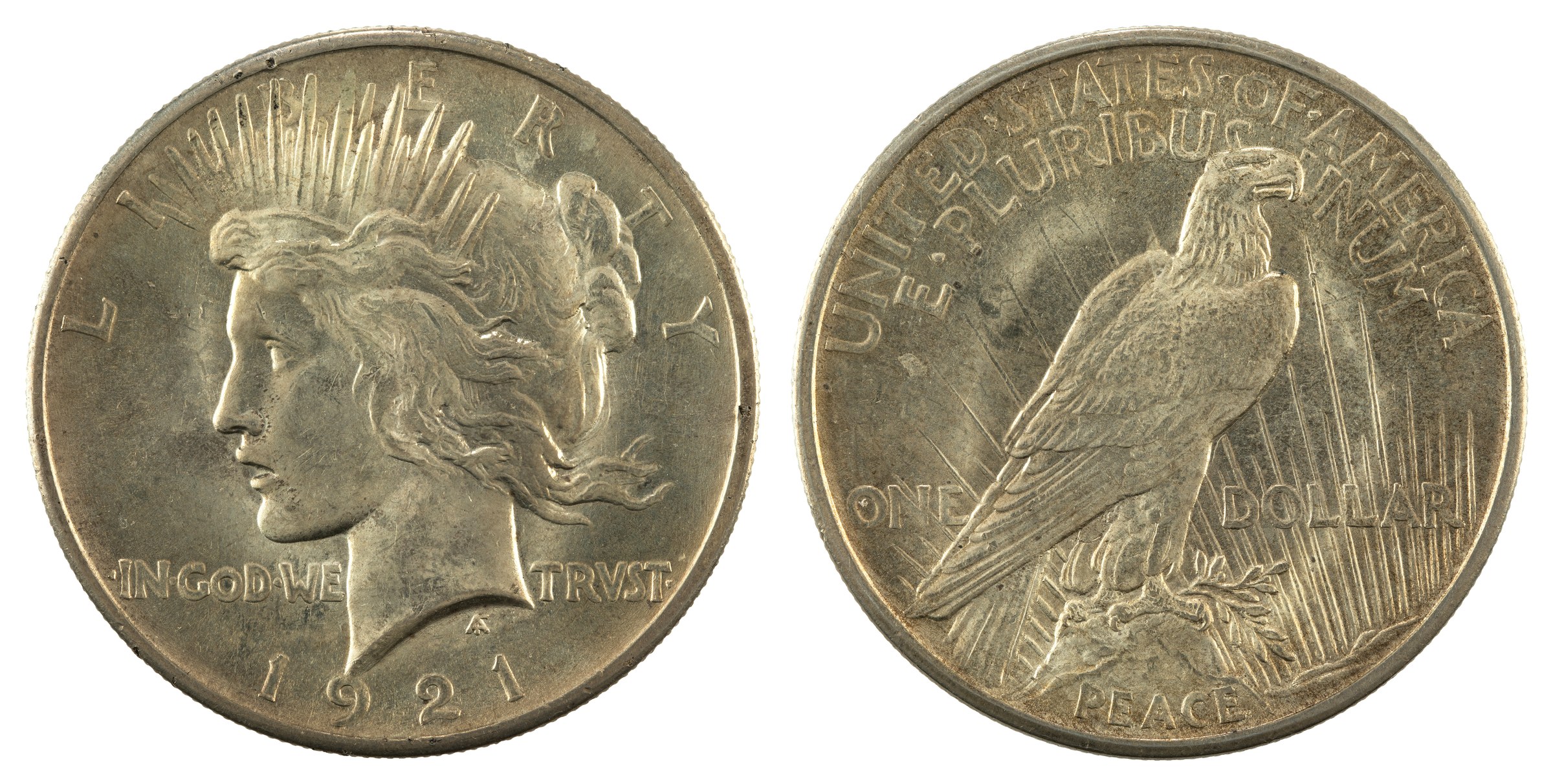
A $1,000 face-value bag of worn pre-1965 U.S. silver coins holds about 715 troy ounces of silver — price it as metal, not as collectibles.
How it works
- "Junk silver" is dealer slang for circulated U.S. dimes, quarters, and half dollars dated 1964 and earlier, struck in 90% silver. They are sold in bags of $1,000 face value — the old banking-system bag quantity that the coin trade simply adopted when silver coins started trading above face (Numismatic News; JM Bullion).
- Because the coins are worn, the trade uses a standard factor of 0.715 troy ounces of pure silver per $1 face value — so a $1,000 bag is counted as roughly 715 troy ounces. Unworn coins would hold 0.7234 oz per $1; the 0.715 figure is the dealer community's long-standing shorthand for average circulation wear (Numismatic News).
- Bags are priced at a premium per ounce over the live silver spot price, or equivalently at a multiple of face value. APMEX advertises its $1,000 bags at about $0.99 per ounce over spot; JM Bullion and Provident Metals sell the same standard $1,000 face-value bags, each holding approximately 715 troy ounces (APMEX; JM Bullion; Provident Metals).
- For the mechanics of spot pricing and premiums, see the hub guide: Bullion Basics.
What to pay
- Do the melt math first: 715 × current silver spot = the bag's melt value. Whatever you pay above that is the premium — compare it across dealers as dollars-per-ounce over spot, the same way you would compare Silver Eagles (APMEX; Numismatic News).
- Expect junk silver to trade at a lower per-ounce premium than one-ounce silver rounds or Silver Eagles, but a higher premium than 1,000-oz bars. That middle ground — plus easy divisibility — is the whole appeal of the product (JM Bullion; Provident Metals).
- Smaller bags ($100 or $500 face value) exist and are handy for tighter budgets, but the per-ounce premium is usually higher than on a full $1,000 bag (JM Bullion).
Red flags
- Wrong dates. U.S. dimes and quarters dated 1965 and later are copper-nickel clad with no silver; only 1964-and-earlier dimes, quarters, and halves are 90% silver. Check a few dates in the bag before you pay (JM Bullion).
- Slick coins. Very heavily worn ("slick") coins can run below the 0.715 factor — the average only holds for an average mix. If a bag looks unusually worn, price it below the standard multiple (Numismatic News).
- 40% halves mixed in. 1965–1970 Kennedy halves are only 40% silver, not 90%. A bag of "silver halves" should be 1964-and-earlier unless the 40% content is disclosed and priced accordingly (APMEX).
- Key dates at junk prices. Don't cherry-pick expecting rarities: dealers cull anything with collector value before bagging, and genuine key dates in junk bags are vanishingly rare (JM Bullion).
Key facts
- Standard bag: $1,000 face value ≈ 715 troy oz pure silver (0.715 oz per $1 face) (APMEX; Numismatic News).
- Composition: 90% silver, 10% copper; dates 1964 and earlier (dimes, quarters, halves) (JM Bullion).
- Melt formula: 715 × silver spot = melt value. Never pay a multiple of face value without converting it to per-ounce-over-spot first (Numismatic News).
- Divisibility: the practical edge of junk silver — you can spend or sell it a dollar of face value at a time, which you cannot do with a 100-oz bar (Provident Metals).
Market check
Compare live listings for junk silver bags on eBay:
Search eBay for junk silver bags
As an eBay Partner, The Coin Wiki may earn from qualifying purchases.