
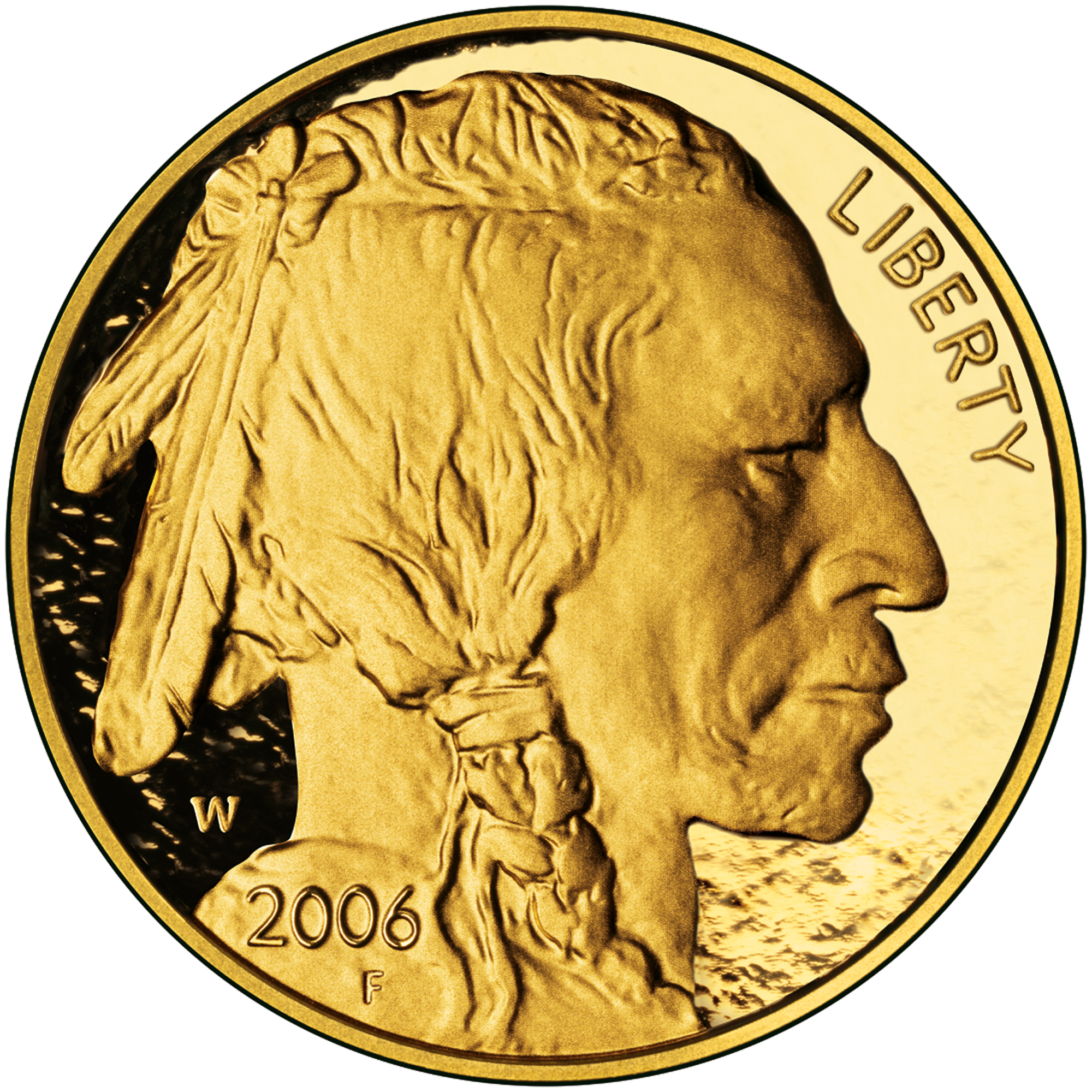
Start with the coin, not the dealer: buy recognized bullion, pay a fair premium over spot, and verify authenticity before money changes hands.
How it works
- Every gold coin has two prices baked in: the spot price of the gold it contains and a premium charged by the seller for manufacturing, distribution, and profit. Government-minted bullion such as the American Gold Eagle or Gold Buffalo typically carries a modest premium over spot; the premium shrinks as a percentage when gold prices rise (JM Bullion; SD Bullion).
- Buy from established dealers with published buy-back policies, a local coin shop with a storefront, or a reputable online bullion dealer — never from unsolicited callers, social-media strangers, or "investment" pitches that promise guaranteed returns. Legitimate dealers quote prices as spot-plus-premium and will buy the coins back (JM Bullion; APMEX).
- For a deeper primer on how bullion pricing works, see the hub guide: Bullion Basics.
What to pay
- Compare premiums as a dollar amount over spot per ounce, not just the total price. Common one-ounce government bullion coins are the price leaders; the Gold Buffalo often sells at a slightly higher premium than the Gold Eagle because of its 24-karat purity, though the relationship is not fixed and the Eagle's longer track record sometimes commands its own premium (JM Bullion).
- Fractional gold (1/2, 1/4, and 1/10 oz) carries a higher premium per ounce than full one-ounce coins because minting costs are spread over less metal — buy fractionals only if you need smaller, divisible units (SD Bullion).
- Be skeptical of prices at or below spot: no legitimate seller can stay in business giving away metal for less than it costs. Below-spot offers are a hallmark of counterfeit or non-delivery scams (JM Bullion; APMEX).
Red flags
- Counterfeits. Fake gold coins — including tungsten-core copies of popular bullion — circulate widely. Stick to sealed mint packaging or certified coins, weigh and measure anything suspicious, and buy a basic scale and calipers before you buy your first coin (JM Bullion; SD Bullion).
- Pressure tactics. "Limited allocation," expiring discounts, and reps who discourage comparison shopping are sales tactics, not market realities. Walk away.
- Exotic or "exclusive" coins. Obscure commemorative issues sold at huge markups over melt rarely hold their premium on resale. A plain bullion coin you can sell anywhere beats a story coin you can only sell back to the company that sold it to you (SD Bullion).
- No buy-back. If a dealer won't quote you a price to buy the coin back today, they are telling you what they think of its resale value.
Key facts
- Melt value formula: pure gold content (troy oz) × current spot price. A 1 oz .9999 coin holds exactly 1 troy oz; a 1 oz .9167 (22-karat) coin also holds 1 troy oz of pure gold, just alloyed with copper and silver for durability (JM Bullion).
- Premium formula: price paid − melt value = premium. Track it per ounce so different coins and sizes are comparable (SD Bullion).
- Starting point: one-ounce government bullion coins (Gold Eagle, Gold Buffalo, Gold Maple Leaf, Krugerrand) are the most liquid entry — every dealer buys them (JM Bullion; SD Bullion).
- Storage and insurance: coins in a safe-deposit box or home safe need silica gel against moisture; never clean a coin — cleaning destroys collector value (see How to Store Coins So They Don't Lose Value).
Market check
Compare live listings for gold bullion coins on eBay:
Search eBay for gold bullion coins
As an eBay Partner, The Coin Wiki may earn from qualifying purchases.
