
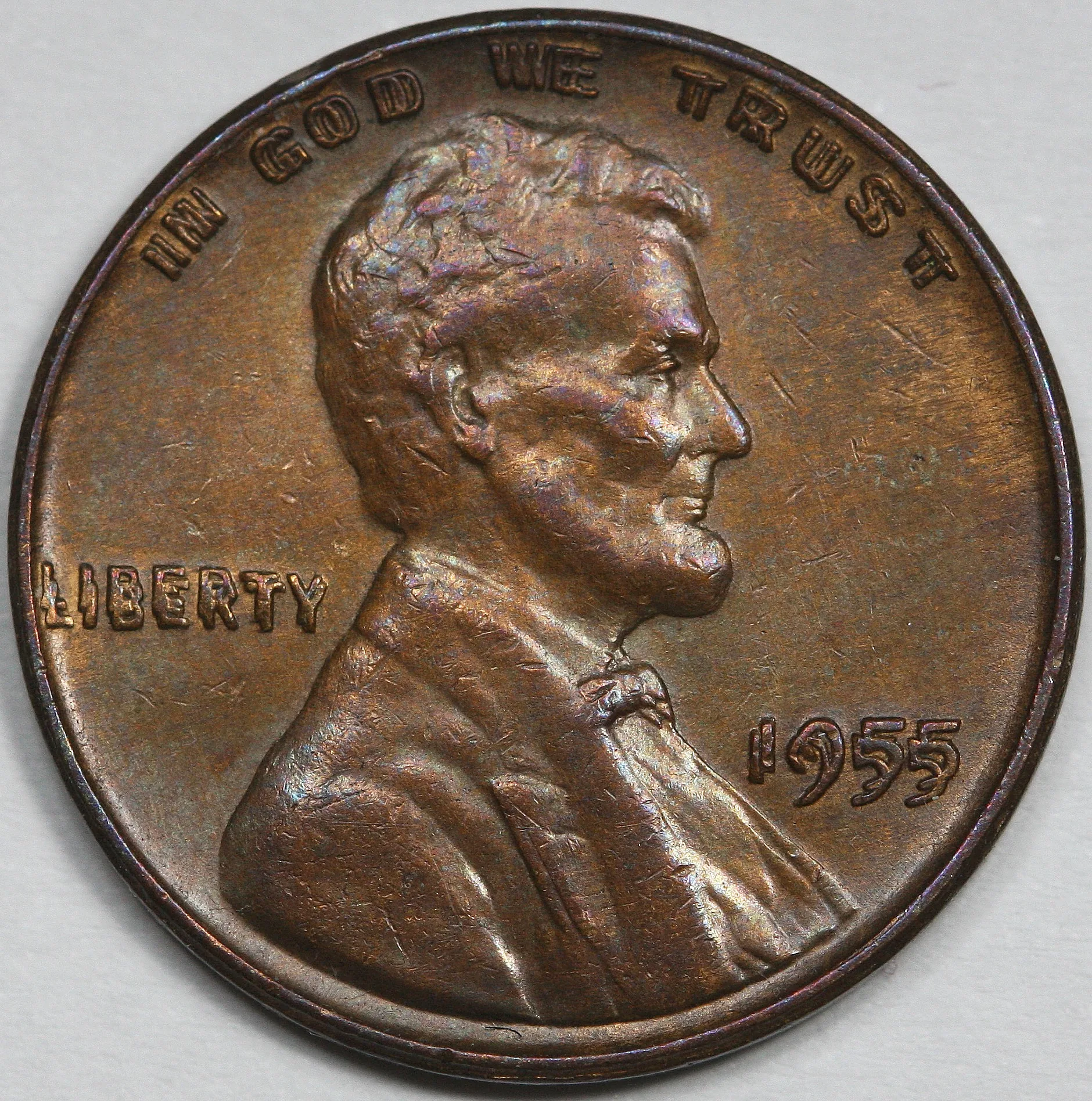
A doubled-looking letter is a reason to slow down, not a verdict. Machine doubling is usually flat and shelf-like with little premium; true hub doubling shows rounded, separated design elements because the die itself carries the doubled design.
The first visual split
- Flat and shelf-like: screen first for machine doubling.
- Rounded and separated: compare the exact design area with an established doubled-die reference.
- Photographs inconclusive: say “can’t tell from photos” — or examine the coin in hand. Do not force a variety call.
Check diagnostics for 1969-S and 1972 against a recognized variety reference before making a variety call.
Related
- 1955 doubled die: real doubling versus flat doubling
- Watch the 1955 doubled die video
- Watch @CapsCoins
- Coin checklists on Etsy
- The Weekend Coin Dealer
FREE DOWNLOAD
Before you spend that coin, check it.
The Pocket Change Key-Date Checklist covers the cents, nickels, dimes, quarters and halves still hiding in circulation — including the 1943 and 1983 errors worth five figures. One page to print, a lifetime of jars to check.