
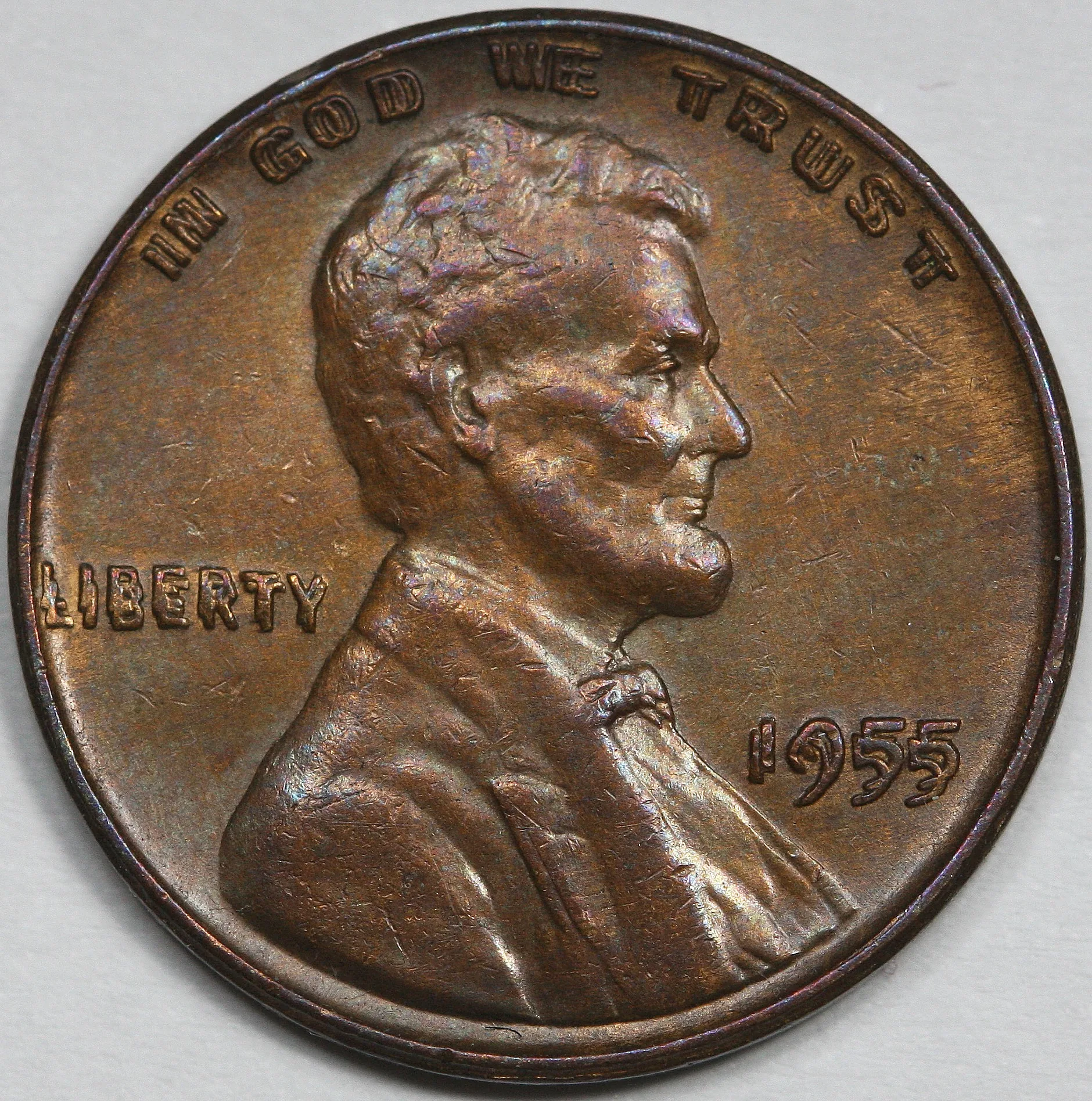
On a true doubled die, the doubling comes from the die itself. It appears as distinct, rounded, separated design elements, not as a flat shelf shaved from the side of a letter.
Start with the design, not the hype
- Look for clear separation in the date and lettering.
- Rounded, complete secondary forms support true hub doubling.
- Flat, shelf-like displacement is often machine doubling and usually carries little collector premium.
- Compare against established references before labeling an error.
Common mistake“It looks doubled” is a prompt to investigate, not a grade, attribution, or price.
Related
FREE DOWNLOAD
Before you spend that coin, check it.
The Pocket Change Key-Date Checklist covers the cents, nickels, dimes, quarters and halves still hiding in circulation — including the 1943 and 1983 errors worth five figures. One page to print, a lifetime of jars to check.