Specifications
- Denomination
- multiple
- Series
- Mint error types
A die crack shows as a raised, jagged line of extra metal where a cracked die let metal seep into the fissure; a cud is its bigger cousin — a raised blob at the rim where a chunk of the die broke away. Minor die cracks are common and add little value, but large, dramatic cuds visible to the naked eye can carry real premiums.
What it is
- A die crack is a raised, jagged line of extra metal on a coin, left where a cracked die let planchet metal seep into the fissure during the strike.
- A cud is the bigger cousin of a die crack: a raised blob of metal at the rim where a chunk of the die broke away entirely. In the strict definition, the broken-away portion of the die must include part of the die’s edge.
- Both are die-preparation stage errors — the flaw is in the die itself, not the planchet or the strike.
- In everyday hobby use the word “cud” gets applied to blobs from any serious die chip or crack, but a die break that does not involve the edge is, properly, a die break (small, medium, or large), not a cud. (The Spruce Crafts; accessed 2026-09-17)
How it happens
- A working die absorbs immense striking pressure, strike after strike, and eventually develops a fissure.
- If the damaged die keeps striking coins, planchet metal flows into the crack and leaves a raised line of metal on each finished coin.
- Stress from striking pressure, friction between die and planchet, and a collar that shifts and gets struck by the hammer die all contribute to die failure. (Wikipedia; accessed 2026-09-17)
- The more extreme outcome: a piece of the die’s perimeter breaks away entirely, so the coins struck afterward carry a raised blob of metal at the rim where the die face is missing. (Wikipedia; accessed 2026-09-17)
- Cuds are a window into how minting economics changed. Early U.S. dies were made by hand and were expensive, so dies were run until they failed outright — which is why cuds are relatively common on early American coinage. Modern dies are mass-produced and cheap, so a die showing stress cracks is retired at the first sign of trouble, making cuds on modern coins much scarcer. (The Spruce Crafts; accessed 2026-09-17)
How to identify
- The raised-vs-recessed test is decisive: genuine die cracks and cuds are raised metal flowing up from the die, never sunken lines.
- A true cud must touch the rim — the die’s edge broke away. An interior blob is a die chip or interior die break, not a cud.
- Check the opposite face: a real cud often leaves a weak, poorly struck area directly across from the blob, because nothing was present on the opposing side to build the pressure needed to raise the design. (The Spruce Crafts; accessed 2026-09-17)
- A retained die break may show a faint “ghost” of the design inside the blob — a strong authenticity marker. These imperfections are so consistent that authenticators use them as a die’s unique fingerprint. (Numismatic News; accessed 2026-09-17)
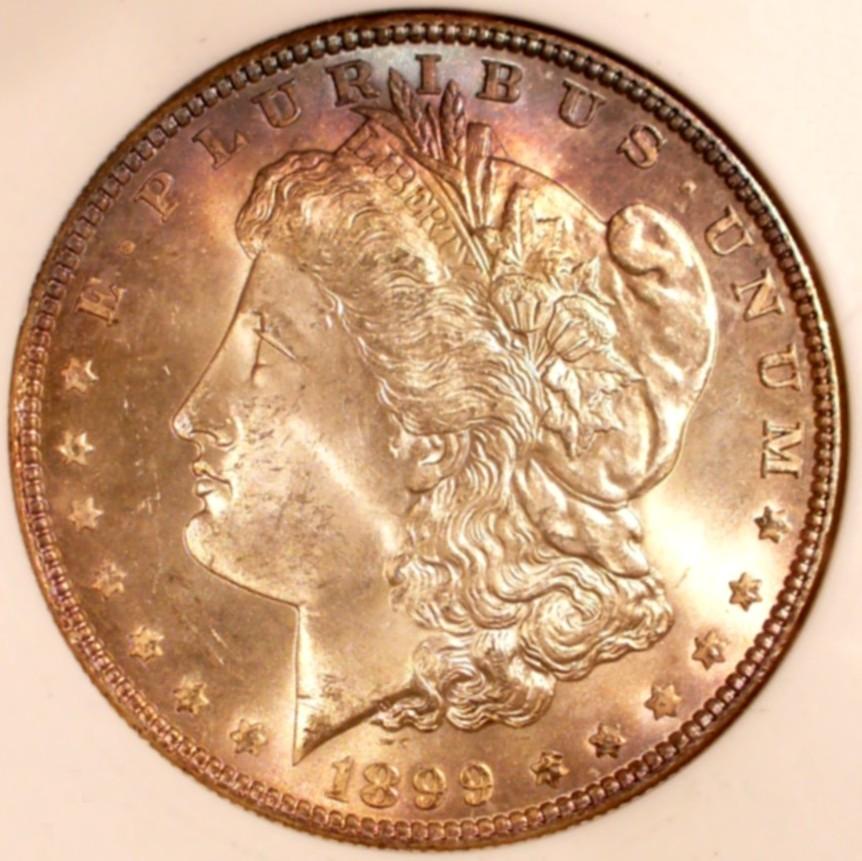
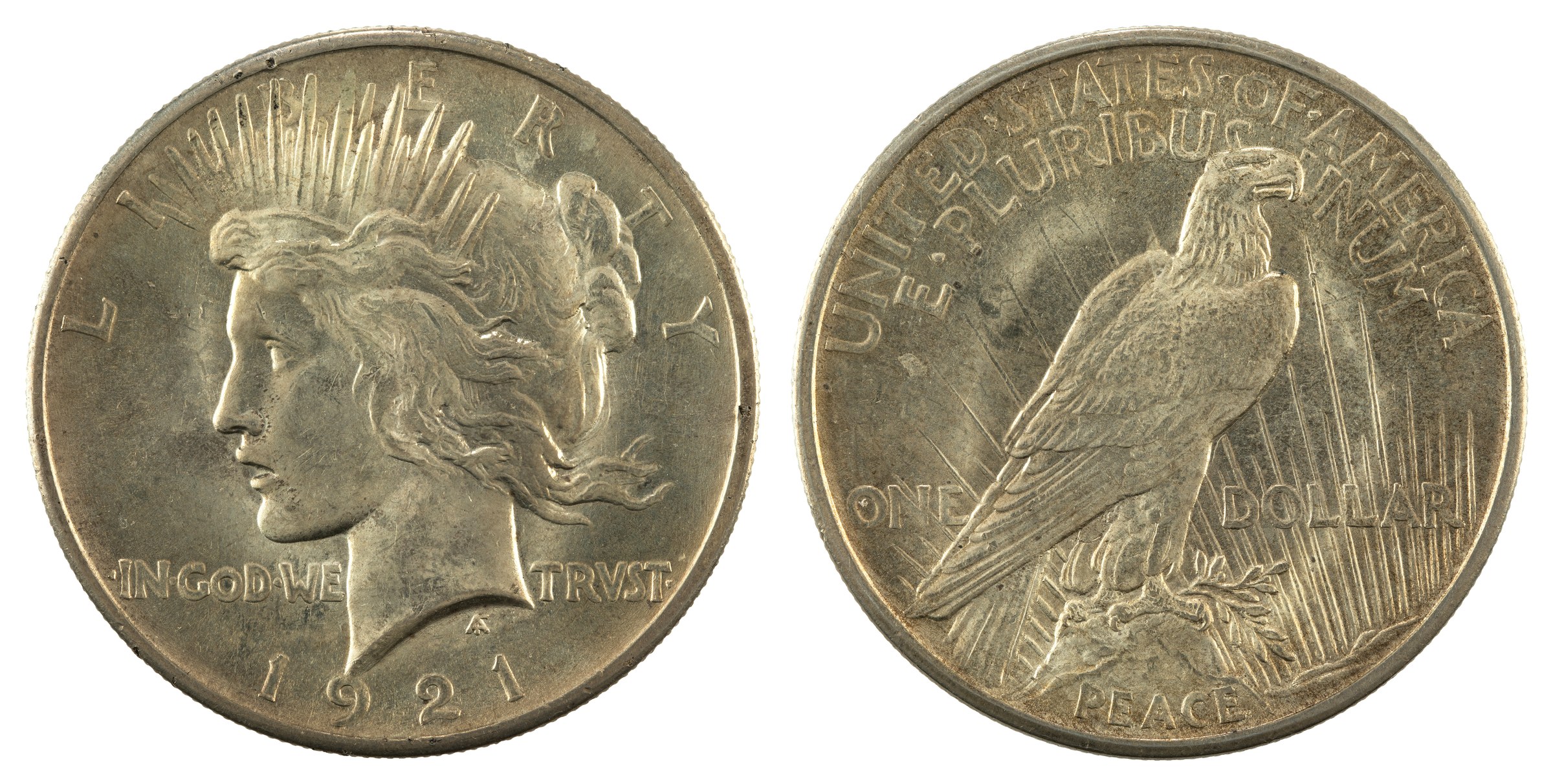
- On Morgan and Peace dollars, die breaks and cuds were cataloged as collectible die varieties by Leroy Van Allen and A. George Mallis — the VAM system. (The Spruce Crafts; accessed 2026-09-17)
Real error vs. post-mint damage
- Mint-made blobs have normal, undisturbed surfaces; post-mint damage shows gouges, scratches, displaced metal, or tool marks.
- An interior raised blob that does not touch the rim is a die chip or interior die break — a real mint error, but not a cud.
- Minor die cracks, especially on State Quarters, are common and carry little premium — keep expectations in check.
Notable examples
- Undated Jefferson nickel with a multi-layered major die break, listed as JNC-ND-7 in The Cud Book. (Numismatic News; accessed 2026-09-17)
- Die breaks on early American coins dated 1795 — cuds are relatively common on early U.S. coinage because hand-made dies were expensive and run until they failed. (The Spruce Crafts; accessed 2026-09-17)
- Morgan and Peace dollar cud and die-break varieties cataloged as VAMs by Leroy Van Allen and A. George Mallis. (The Spruce Crafts; accessed 2026-09-17)
- No auction prices are published in the consulted references for these examples; values are negotiated coin by coin.
What drives value
- Severity and visibility: large cuds visible without magnification add value, while tiny flaws that need a loupe to see can actually detract from a coin’s worth. (The Spruce Crafts; accessed 2026-09-17)
- Context: cuds on proof coins can be very valuable because proofs are struck multiple times, handled by hand, and inspected — defective pieces are supposed to be destroyed, so survivors are rare. Cuds on classic pre-1900 coins also carry premiums with advanced collectors. (The Spruce Crafts; accessed 2026-09-17)
- Grade and denomination demand still matter — a dramatic cud on a popular series in high grade outperforms the same error on a common modern coin.
- Honest floor: ordinary minor die cracks are extremely common — notably in the 50 State Quarters program — and add little or nothing. (The Spruce Crafts; accessed 2026-09-17)
Market check
Compare live listings for this error type on eBay:
Search eBay for Die Cracks and Cud Error Coins
As an eBay Partner, The Coin Wiki may earn from qualifying purchases.
Specifications
- Mint: U.S. Mint (Philadelphia/Denver/San Francisco)
- Composition: Varies by host coin
- Weight: Varies by host coin
- Diameter: Varies by host coin
- Edge: Varies by host coin
- Alignment: Not verified in consulted references
- Designers: Not applicable — error type
Sources
- Wikipedia — Die defect (accessed 2026-09-17)
- The Spruce Crafts — What is a Cud Error on a Coin (accessed 2026-09-17)
- Numismatic News — Errors found in search (accessed 2026-09-17)