
Specifications
- Denomination
- multiple
- Series
- Mint error types
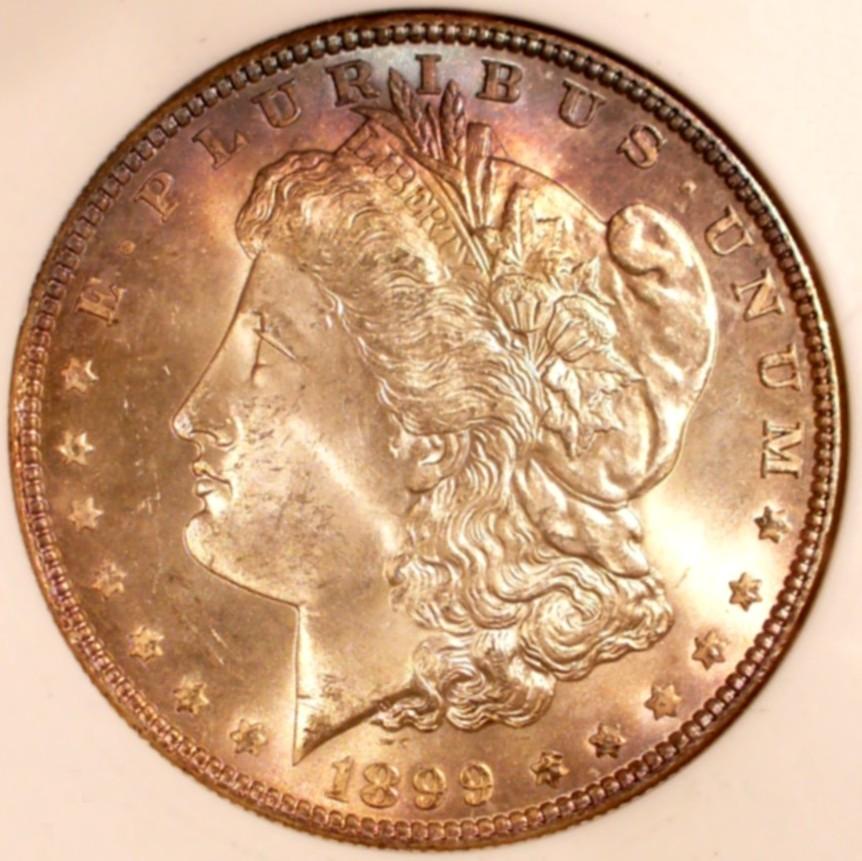
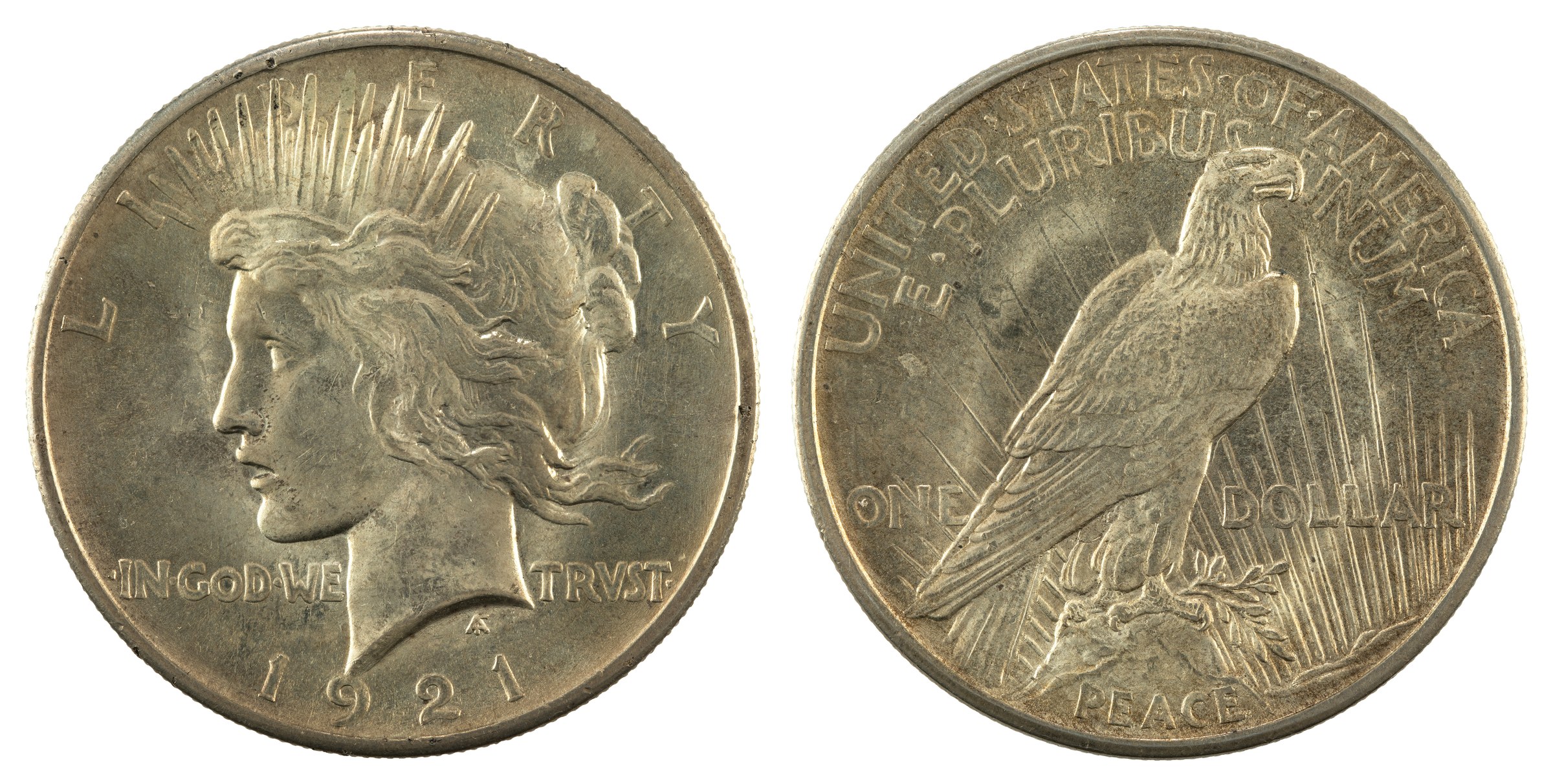
A brockage is a coin struck against another already-struck coin instead of a die, leaving a mirrored, sunken (incuse) copy of the design on one face. Clear full “mirror brockages” are scarce and can sell for substantial money — but the two clues you must confirm together are mirrored AND incuse.
What it is
- A brockage is a coin struck against another already-struck coin instead of a die face, leaving a reversed, recessed (incuse) copy of the design on one face.
- It is a striking-stage error: the planchet and dies are fine — the failure happened in the moment of striking.
- If the stuck coin adhered to the lower (anvil) die it produces an obverse brockage; stuck to the upper (hammer) die, a reverse brockage. (Wikipedia; accessed 2026-09-17)
- A full brockage covers the entire face, while partial brockages cover only part. The very first impression is the first-strike brockage; if the stuck coin stays on the die it becomes a die cap and strikes additional planchets, producing early-stage, mid-stage, and late-stage brockages that grow progressively weaker. (Wikipedia; accessed 2026-09-17)
How it happens
- A struck coin fails to eject and stays in the press, stuck to one of the dies.
- The next planchet feeds in and is struck against the stuck coin instead of the die face.
- The stuck coin’s raised design presses a reversed, recessed copy into the new coin. (Wikipedia; accessed 2026-09-17)
- If the stuck coin stays on the die, it becomes a die cap and strikes additional planchets — each successive brockage comes out progressively weaker as the cap distorts. (Wikipedia; accessed 2026-09-17)
- Brockages were common in hammered coinage, largely restricted to obverse brockages because a worker would usually notice a coin stuck in the reverse anvil die — and a noticed brockage could simply be restruck. Screw presses from the mid-16th century onward drastically reduced escaping brockages, but high-speed machinery in the 19th century brought more of them. (Wikipedia; accessed 2026-09-17)
- It is also documented that some unscrupulous mint workers deliberately created brockages to sell to collectors. (Wikipedia; accessed 2026-09-17)
How to identify
- Confirm BOTH clues: the design must be mirrored (backward) AND incuse (sunken). Raised backward lettering points elsewhere.
- Backward lettering describes orientation; incuse describes depth — confusing the two leads investigations astray. (CoinHub; accessed 2026-09-17)
- A brockage does not have to cover the whole face — partial brockages are genuine; record the actual affected area.
- Don’t confuse a brockage with a capped die: the cap is the coin stuck to the die; the brockage is the later coin struck against it.
- Good practice is to photograph both faces and the edge under changing light, keep the original images labeled by side, and never mirror a photo file during comparison, since mirroring destroys one of the very features being checked. (CoinHub; accessed 2026-09-17)
- A photograph alone does not authenticate the error. (CoinHub; accessed 2026-09-17)
Real error vs. post-mint damage
- Contact marks and other post-strike damage can leave brockage-like impressions. A genuine brockage is struck, so metal flow looks natural; pressed or scraped imitations show disturbed surfaces. (CoinHub; accessed 2026-09-17)
- Reversed-looking detail is only an observation, not proof — and PCGS draws a firm line between mint errors and later damage or alteration, so a meaningful premium calls for professional error attribution. (CoinHub; accessed 2026-09-17)
- Never squeeze two coins together to “test” or create a comparison piece — that is damage, not diagnostics.
- Mated pairs (a die cap plus a brockage it struck) exist but are rarely found together; don’t pair unrelated odd coins by date or color.
Notable examples
- Undated Indian Head cent with a full early-stage brockage of the reverse design on its obverse. (error-ref, via Heritage Auctions; accessed 2026-09-17)
- 198X-P Jefferson nickel, 30% brockage on a 40% off-center strike, graded PCGS MS66. (CoinHub, via PCGS TrueView; accessed 2026-09-17)
- Among modern coins from industrialized mints with strict production control, brockages are relatively rare, and coins in good condition with a clear brockage are collector’s items that can sell for substantial amounts. (Wikipedia; accessed 2026-09-17)
What drives value
- The most desirable are the sharpest, most complete first-strike “mirror brockages,” which form when both the brockage-maker coin and the planchet are confined by the collar. (Wikipedia; accessed 2026-09-17)
- Severity (full vs. partial), condition, and grade — a clear full brockage in high grade commands the strongest premium.
- Denomination and collector demand for the series matter as they do for any error.
- Honest floor: weak, partial, or damaged brockage impressions are far less desirable, and anything that cannot be distinguished from post-strike damage carries no error premium at all — get professional error attribution before paying real money. (CoinHub; accessed 2026-09-17)
Market check
Compare live listings for this error type on eBay:
Search eBay for Brockage Error Coins
As an eBay Partner, The Coin Wiki may earn from qualifying purchases.
Specifications
- Mint: U.S. Mint (Philadelphia/Denver/San Francisco)
- Composition: Varies by host coin
- Weight: Varies by host coin
- Diameter: Varies by host coin
- Edge: Varies by host coin
- Alignment: Not verified in consulted references
- Designers: Not applicable — error type
Sources
- Wikipedia — Brockage (accessed 2026-09-17)
- error-ref — Brockage: Full (accessed 2026-09-17)
- CoinHub — Brockage Coin Error: Mirrored, Incuse Designs (accessed 2026-09-17)