Specifications
- Denomination
- multiple
- Series
- Mint error types
A blank planchet escaped the mint before striking: Type 1 has a flat, rimless edge straight from the punch, while Type 2 passed through the upset mill and carries a rounded proto-rim. Match the blank’s metal and weight to a real denomination — blanks of larger or silver denominations carry the biggest premiums.
What it is
- U.S. mints buy long strips of metal and feed them through blanking machines that punch out disks — these become the planchets coins are struck on. A blank planchet error is a disk that escaped the mint before ever being struck. (Wikipedia — Mint-made errors; accessed 2026-09-17)
- A freshly punched disk with a flat, rimless edge is a “Type 1” blank; after an upsetting mill rolls a uniform rounded rim onto it, it becomes a “Type 2” blank or planchet. Type 2 blanks may also be classed as striking errors, since they were prepared correctly but released without ever being struck. (Wikipedia — Mint-made errors; accessed 2026-09-17)
- This is a PLANCHET PREPARATION-stage error: everything happened before the blank ever reached the coining dies.
How it happens
- Metal strip is fed through a blanking machine, which punches out flat, rimless disks — Type 1 blanks.
- Normally those blanks travel to an upset mill, which rolls a uniform rounded rim onto each one, producing Type 2 blanks ready for striking.
- Sometimes a blank falls out of the production stream — knocked loose, spilled, or slipped past quality control — before reaching the press.
- Escaped blanks are certified and graded as mint errors by PCGS and NGC. (APMEX; accessed 2026-09-17)
How to identify
- Type 1: flat edge, no raised rim. Type 2: rounded proto-rim from the upset mill — feel the edge under a loupe. (Wikipedia — Mint-made errors; accessed 2026-09-17)
- Attribution hinges on matching the blank’s metal and weight to a real denomination — a zinc cent blank versus a clad dime blank, for example. The well-known 1982 zinc cent pairs show unplated Type 1 and Type 2 blanks side by side. (LiveAuctioneers; accessed 2026-09-17)
- Weigh it: a genuine blank must match its denomination’s spec weight (e.g., a zinc cent blank is 2.5 g); wrong weight means wrong attribution or a slug.
- Unplated zinc blanks look silvery-gray — that’s normal for a blank, not damage or missing plating.
Real error vs. post-mint damage
- A genuine blank weighs to its denomination’s spec and shows mint-made surfaces — this is the first check against post-mint slugs or filed-down coins.
- Washers, punched slugs, and ground-down coins won’t match mint weight, diameter, and rolling-mill surface character together.
- Buy certified — PCGS and NGC attribute these as mint errors.
Notable examples
- $20 double eagle Type 1 gold blank planchet, NGC, 33.45 g — within tolerance for the denomination. Heritage noted that gold errors are the rarest of all because the Mint’s highest-value coins received the most scrutiny. (Heritage Auctions; accessed 2026-09-17)
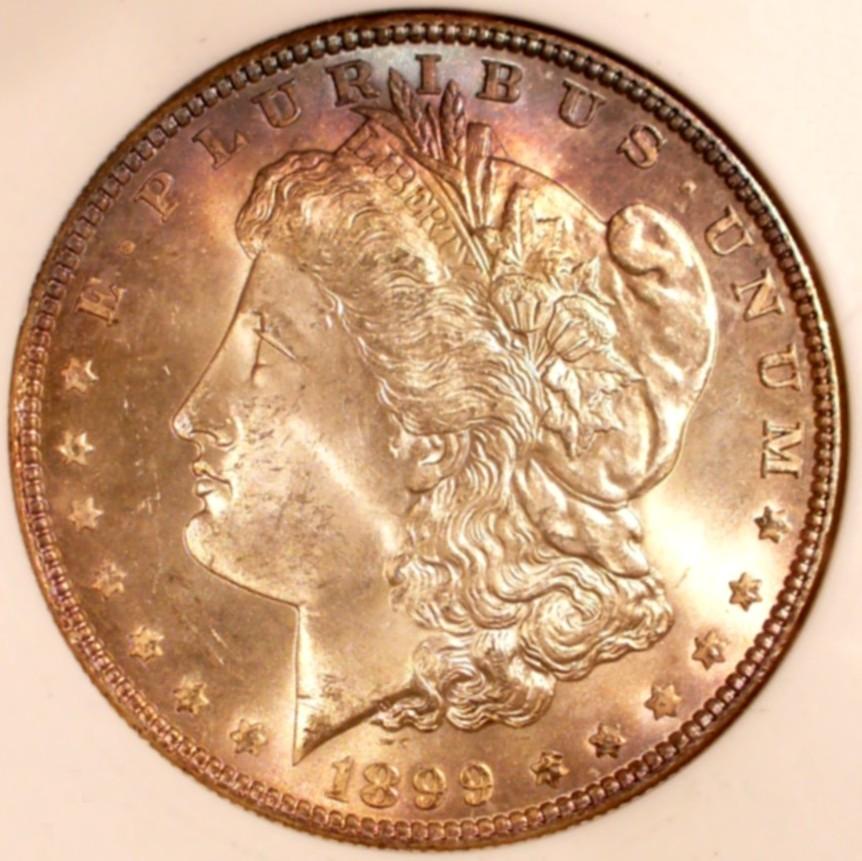
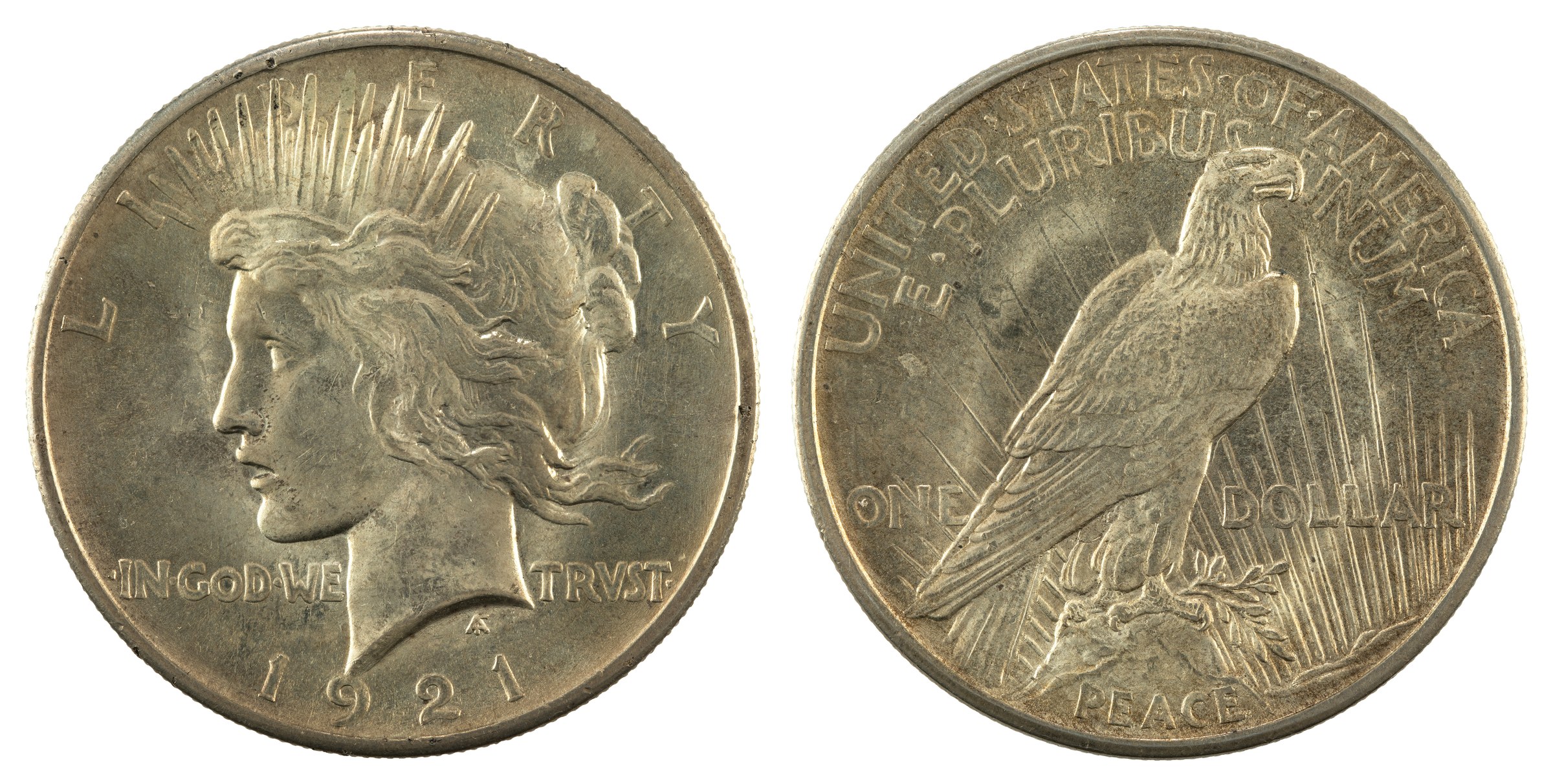
- Type 2 90% silver dollar blank planchet, NGC, 26.8 g — the same story in silver. (GreatCollections; accessed 2026-09-17)
- 1982 zinc cent Type 1 + Type 2 unplated blank set, PCGS MS63 — a matched educational set illustrating the production sequence. (Mynt Auctions via LiveAuctioneers; accessed 2026-09-17)
- (2000–09) $1 Type 2 blank planchet, PCGS MS62 — the affordable modern end of the market. (APMEX; accessed 2026-09-17)
What drives value
- Premiums climb with denomination and precious-metal content — cent blanks are the affordable entry point, while silver dollar and gold blanks are trophy pieces. (Heritage Auctions; accessed 2026-09-17)
- Collector demand also favors matched educational sets, such as the certified 1982 zinc Type 1/Type 2 pairs. (LiveAuctioneers; accessed 2026-09-17)
Market check
Compare live listings for this error type on eBay:
Search eBay for Blank Planchet Coins (Type 1 & 2)
As an eBay Partner, The Coin Wiki may earn from qualifying purchases.
Specifications
- Composition: Varies by host coin
- Diameter: Varies by host coin
- Weight: Varies by host coin
- Edge: Varies by host coin
- Mint: U.S. Mint (Philadelphia/Denver/San Francisco)
- Designers: Not applicable — error type
Sources
- Wikipedia — Mint-made errors (accessed 2026-09-17)
- error-ref.com — search results for dropped letter (lists Unstruck blank Type I / Unstruck planchet Type II) (accessed 2026-09-17)
- APMEX — Beginners Guide to Error Coins (accessed 2026-09-17)
- APMEX — 2000-09 $1.00 Blank Planchet Type 2, MS-62 PCGS Error (accessed 2026-09-17)
- Heritage Auctions — Blank Type One Planchet for a Double Eagle, NGC (33.45 g) (accessed 2026-09-17)
- GreatCollections — ND Type 2 90% Silver Dollar Blank Planchet, NGC, 26.8 g (accessed 2026-09-17)
- LiveAuctioneers / Mynt Auctions — 1982 Mint Error 1c, PCGS MS63 Zinc Type 1 Blank & Type 2 Planchet (unplated pair) (accessed 2026-09-17)