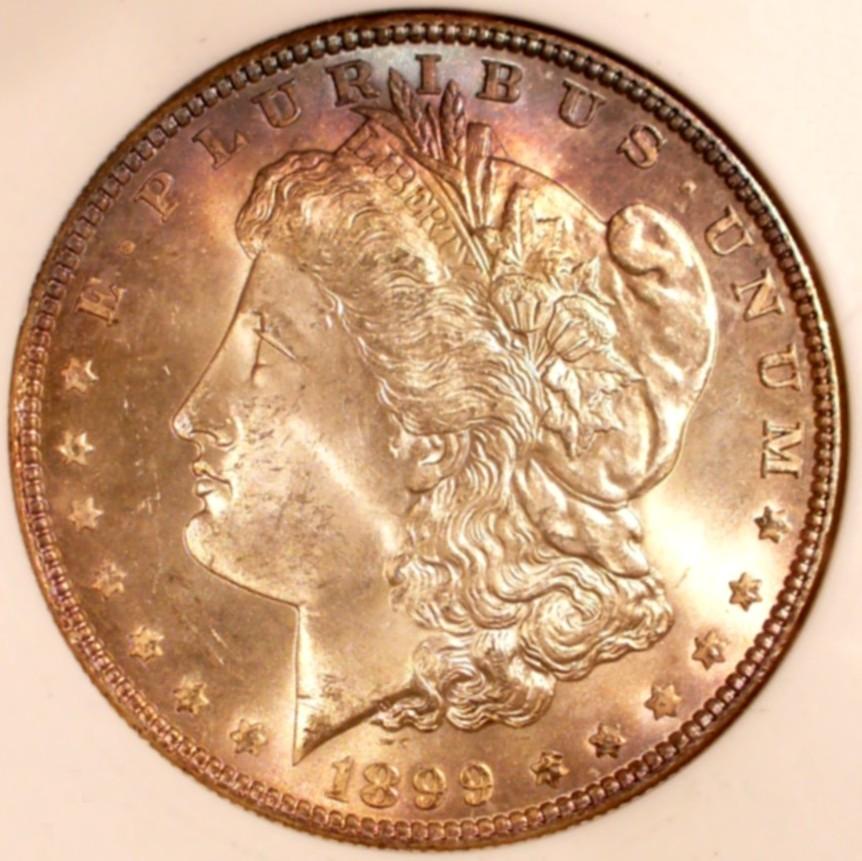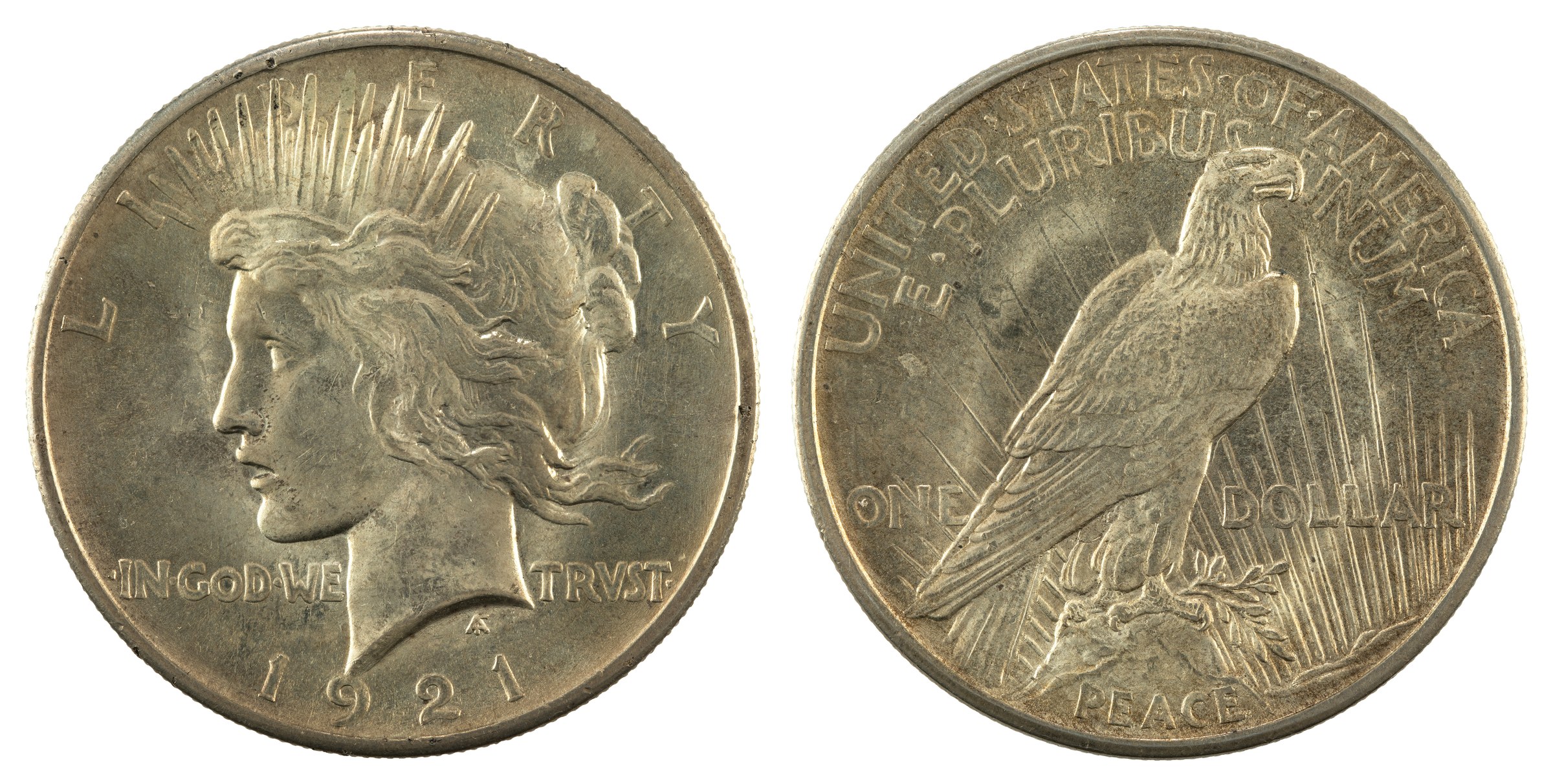
A genuine 1965 dime struck on a leftover 90% silver planchet (Heritage) is one of the great transitional errors of the clad changeover — check weight (2.48–2.56 g) and edge: no copper stripe means it may be silver (Heritage).
History
- In 1965 the U.S. Mint switched dimes from 90% silver to the copper-nickel “sandwich” (clad) composition still in use today. (Heritage)
- During the changeover the Mint was striking dimes in two different alloys: the traditional 90% silver pieces dated 1964 and the new clad pieces dated 1965. A few leftover silver planchets were diverted to the wrong dies in 1965 or early 1966, producing transitional-alloy errors. (Heritage)
- The variety is catalogued as Breen-3761, which Breen considered extremely rare. (Heritage)
- Heritage has auctioned multiple authenticated examples, including specimens graded AU55, AU58, and MS62 by PCGS. (Heritage)
- One Heritage article noted nine auction appearances of the error — a measure of how often they surface at auction, not a total population count. (Heritage)
What is it worth
- Value comes from the error, not the metal: a genuine 1965 silver dime error is worth far more than its bullion content (melt value ≈ 0.0723 × current silver spot price). (Heritage)
- Heritage’s archived sales of certified examples (AU55, AU58, MS62) establish this as a genuinely valuable error; check current auction archives for the latest realizations. (Heritage)
- Ordinary 1965 clad dimes are worth face value. Only the transitional silver-planchet error carries a premium. (Heritage)
What drives the premium
- Authentication: only examples certified by PCGS or NGC as struck on a silver planchet command the premium; altered or plated coins are worthless. (Heritage)
- Grade: Heritage’s certified examples range from AU55 to MS62; higher-grade survivors bring more. (Heritage)
- The 1965 date is key — 1964-dated silver dimes are normal; the error is a 1965-dated dime struck on silver in 1965 or early 1966. (Heritage)
See also the parallel 1965 silver quarter transitional error, the quarter-dollar version of this same changeover mistake.
How to identify the valuable variety
- Weigh it. A normal clad 1965 dime weighs about 2.27 g; a 90% silver dime weighs 2.50 g. Genuine silver-error examples have weighed 2.48–2.56 g. (Heritage)
- Check the edge. A normal clad dime shows a copper-colored stripe on the reeded edge; a silver-planchet error shows a solid silver edge with no copper stripe. (Heritage)
- The coin should look and ring like a pre-1965 silver dime — same design, same silver appearance — but dated 1965. (Heritage)
- Do not rely on appearance alone — certification by PCGS or NGC is the standard for a valuable specimen. (Heritage)
Specifications
- Denomination: 10 cents (Roosevelt dime); Mint: Philadelphia (no mint mark)
- Error composition: 90% silver, 10% copper (struck on leftover silver dime planchet) (Heritage)
- Error weight: 2.50 g standard; genuine examples 2.48–2.56 g (Heritage)
- Normal 1965 clad dime weight: ~2.27 g (Heritage)
- Edge: reeded, solid silver (no copper stripe) (Heritage)
- Variety: transitional-alloy error, Breen-3761 (Heritage)
Collector notes
- This error exists because the Mint dated its changeover by striking silver planchets only with 1964 dies — any 1965-dated silver dime is an accident, not an issue. (Heritage)
- Weigh every 1965 dime you find: the test takes seconds with a gram scale, and it is the single most reliable screen. (Heritage)
- Keep candidate coins uncleaned and uncertified coins out of flips that could damage them; submit promising pieces to PCGS or NGC. (Heritage)
Market check
See current eBay listings for 1965 silver dime errors — insist on PCGS/NGC certification. As an eBay Partner, The Coin Wiki may earn from qualifying purchases.
Heritage Auctions: 1965 dime on silver planchet, AU55 PCGS — archived auction record for this error.
1965 silver quarter value — the quarter-dollar counterpart of this transitional error.