Specifications
- Denomination
- 1 cent
- Series
- Lincoln Wheat Cent
- Designer
- Victor David Brenner
- Engraver
- Victor David Brenner
- Years of issue
- 1943
- Weight
- 3.11 g
- Diameter
- 19 mm
- Edge
- Plain
- KM
- KM-132
- Key mintages
- No mintage applies to this error issue. Heritage estimates ~15–20 Philadelphia, 6 San Francisco, 1 Denver. Left null.
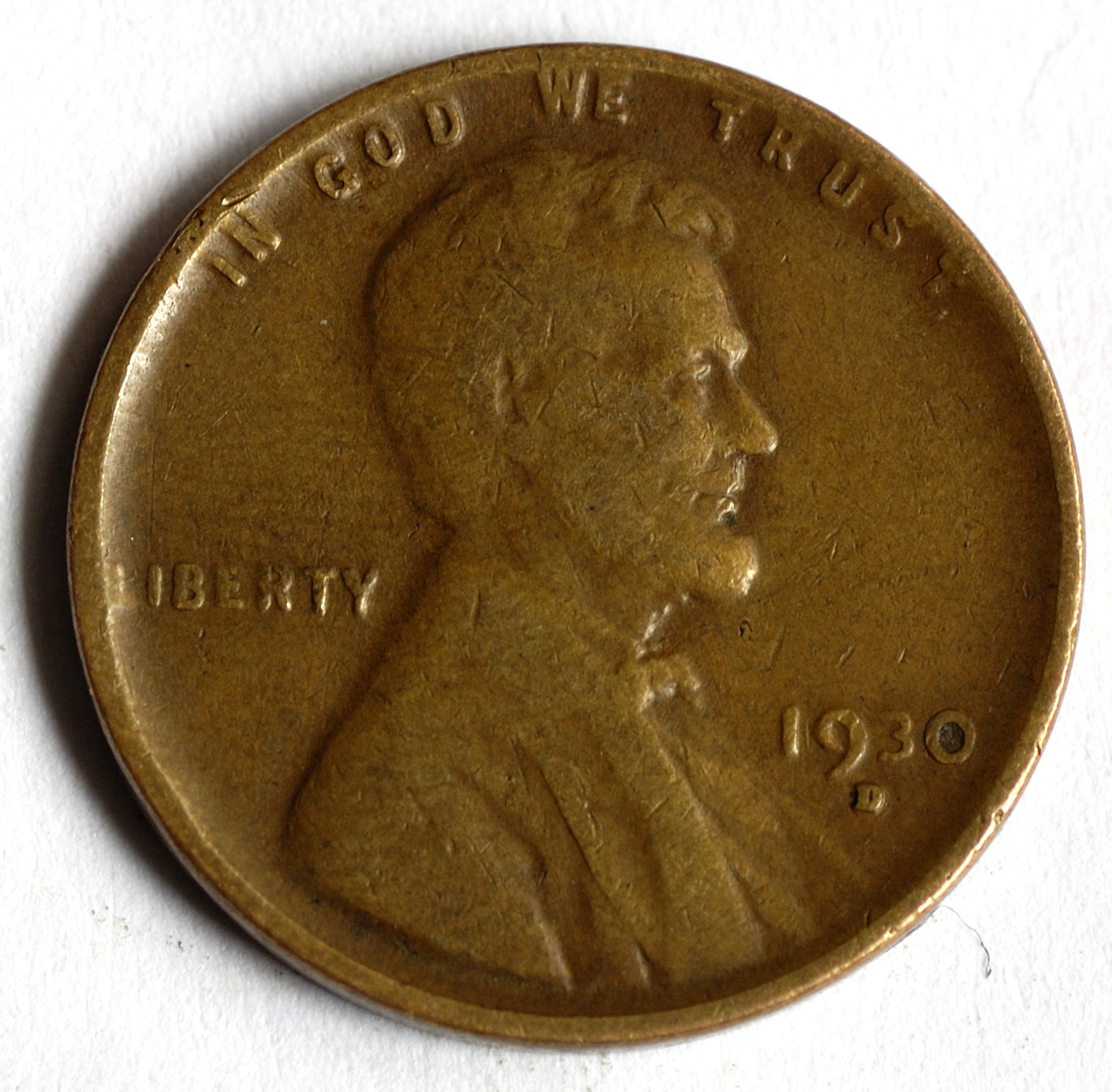
The most famous error coin ever made by the U.S. Mint: a handful of 1943 pennies struck on bronze instead of steel.
History
- In 1943, Congress authorized cents struck on zinc-coated steel to conserve copper for World War II; the 1943 ‘steelie’ weighs 2.70 grams and looks white-gray (CoinWeek, accessed 2026-09-16).
- A few bronze planchets left over from 1942 lodged in the trap doors/lids of the tote bins feeding the coin presses; when the bins were refilled with steel planchets in 1943, the bronze blanks were dislodged and struck by presses set at high pressure — creating the legendary error at all three active mints (Heritage Auctions, accessed 2026-09-16).
- For years the Mint officially denied any bronze 1943 cents existed — acting Mint Director Leland Howard wrote in 1946 that ‘there were no copper cents struck during the calendar year 1943 at any of the coinage Mints’ (Heritage Auctions, accessed 2026-09-16).
- Number known (reputable sources only): PCGS CoinFacts estimates only 10–15 Philadelphia examples are extant; one 1943-D bronze cent is known (the Simpson coin, acquired for $1.7 million in 2010); five or six 1943-S examples have surfaced (Heritage Auctions lot descriptions; David Lange via Heritage, accessed 2026-09-16).
- The Don Lutes, Jr. discovery specimen — found in circulation in 1947 and kept by its discoverer for 70 years — sold for $204,000 at Heritage Auctions (Heritage press release, accessed 2026-09-16).
- The unique 1943-D bronze cent in MS64 Brown and the finest 1943-S in MS62 Brown were acquired by Bob Simpson for $1.7 million (2010) and $1 million (2012) respectively, both brokered through Legend Numismatics (Heritage Auctions, accessed 2026-09-16).
- The wartime bronze was actually brass, since tin was also being conserved (David Bowers via Heritage Auctions, accessed 2026-09-16); Philadelphia alone produced 684,628,670 regular steel cents in 1943 (CoinWeek, accessed 2026-09-16).
Specifications
- Weight: 3.11 grams (Heritage Auctions, accessed 2026-09-16)
- Composition: 95% copper, 5% tin and zinc (Heritage Auctions, accessed 2026-09-16)
- Diameter: 19 mm, plain edge (CoinWeek, accessed 2026-09-16)
- Designer: Victor D. Brenner
- Mint: Philadelphia (no mintmark); the error also occurred at Denver (unique) and San Francisco (5–6 known) — Philadelphia examples are the most ‘numerous’ (Heritage Auctions, accessed 2026-09-16)
Certified populations: PCGS CoinFacts estimates only 10–15 Philadelphia examples extant; David Lange traced 10 Philadelphia examples plus a single 1943-D and six 1943-S specimens. Certified populations include resubmissions/crossovers and are not distinct-coin counts (Heritage Auctions lot descriptions, accessed 2026-09-16).
Collector notes
- Fakes are overwhelmingly common: most counterfeits are copper-plated 1943 steel cents, exposed instantly by a magnet — genuine bronze cents are non-magnetic (Heritage Auctions, accessed 2026-09-16).
- A published diagnostic: the ‘3’ in the date has a long, hanging tail on genuine specimens; some fakes are made by removing part of the ‘8’ from 1948-dated cents (Heritage Auctions, accessed 2026-09-16).
- The widespread rumor that Henry Ford would exchange a new car for a genuine 1943 copper cent was untrue and caused the Ford Motor Company problems for years (Heritage Auctions, accessed 2026-09-16).
- Certified populations include resubmissions and crossovers, so they overstate the number of distinct coins — PCGS CoinFacts’ 10–15 extant estimate is the authoritative count (Heritage Auctions, accessed 2026-09-16).
- Never buy an uncertified 1943 ‘copper’ cent; genuine examples should be certified by PCGS or NGC and are six-figure-plus coins (Heritage Auctions, accessed 2026-09-16).
Market check
Compare live listings for this coin on eBay:
Search eBay for 1943 Copper (Bronze) Lincoln Cent
As an eBay Partner, The Coin Wiki may earn from qualifying purchases.