
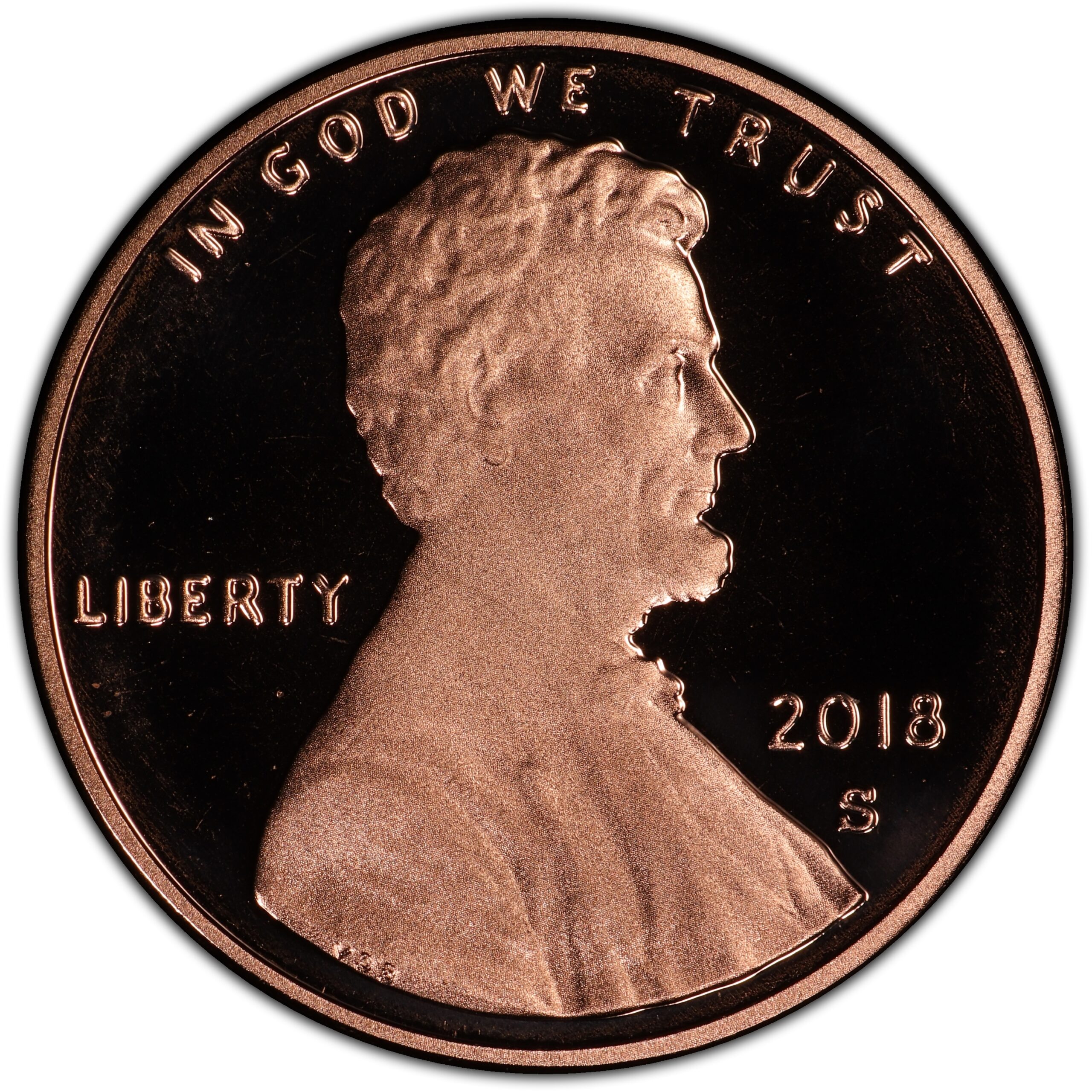
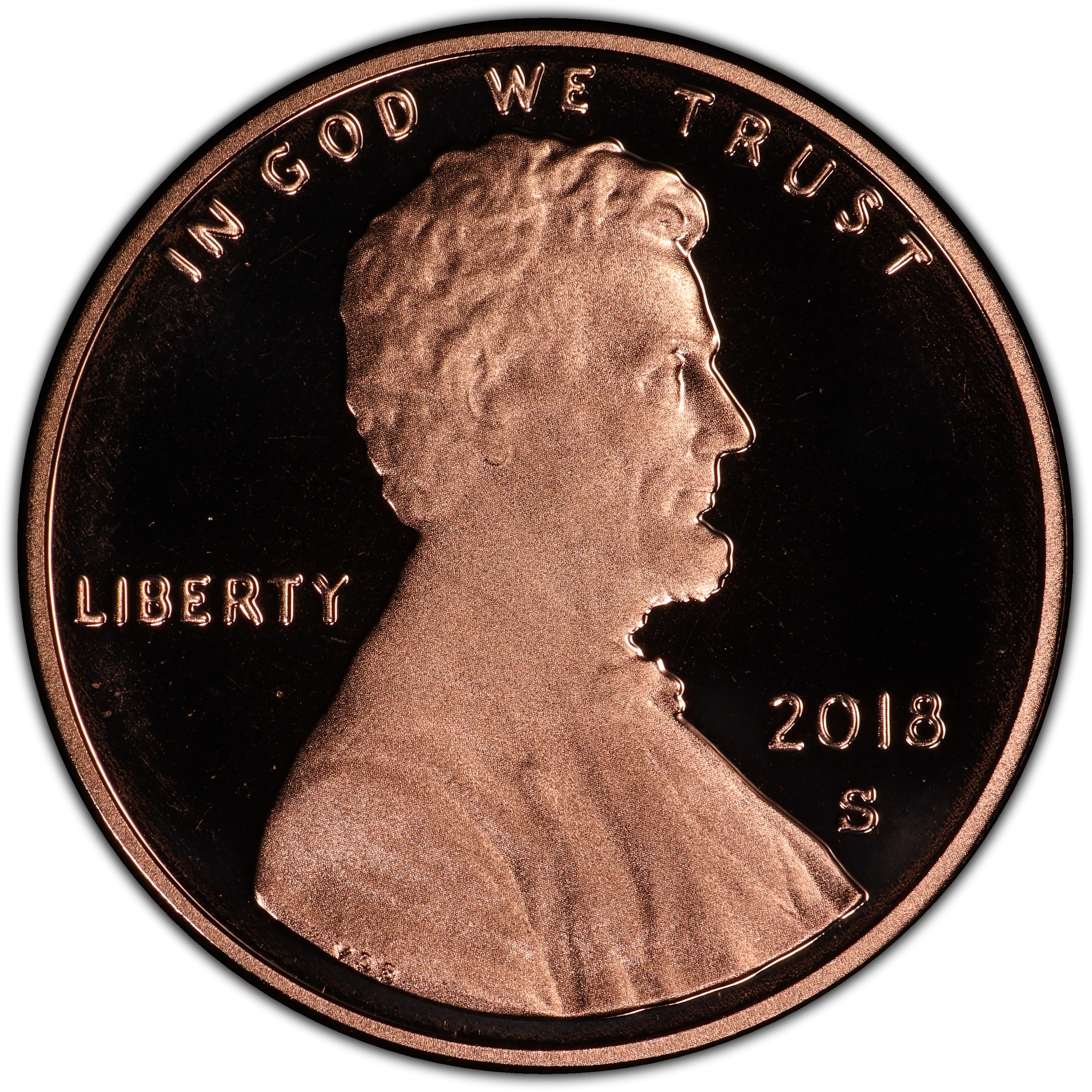
Proof is a way of making a coin, not a grade: specially polished dies and planchets, struck multiple times, producing mirror fields and frosted details.
What it is
- Proof describes a manufacturing method, not a condition grade: proof coins are struck from specially prepared planchets using specially treated dies, and struck at least twice to bring up the full detail (The Spruce Crafts).
- The result is the classic proof look: mirror-like fields with frosted devices (the raised design elements), a contrast collectors call cameo or deep cameo (Wikipedia).
- Proof dies are polished and the planchets are burnished before striking, which gives proofs their smoother fields and sharper rims compared with regular strikes (Wikipedia).
- Proofs are graded on the same 1–70 scale with a PF prefix; PF-70 means a perfect proof coin with no flaws (Wikipedia).
How proofs are made and sold
- Proofs are made specifically for collectors and are not intended for circulation (CoinNews).
- In the United States, modern proof coins are struck at the San Francisco Mint and carry the S mintmark, though some proofs have been struck at Philadelphia (P) and West Point (W) (The Coin HQ).
- The U.S. has issued annual proof sets since 1950, with a gap from 1965 to 1967 when Special Mint Sets were made instead (Wikipedia).
- Proof sets are sold by the Mint in protective packaging, usually with a certificate of authenticity, and many collectors never remove the coins from the original holder (The Spruce Crafts).
What to look for
- Cameo contrast: the stronger the frost on the devices against the mirrored fields, the more desirable the coin (The Spruce Crafts).
- Original packaging: proof sets in intact original government packaging with the COA command more confidence from buyers (The Spruce Crafts).
- Handling: proofs show fingerprints and hairlines easily — handle only by the edge, if at all (CoinNews).
Common mistakes
- Calling a coin “proof” because it looks shiny — proof is a manufacturing process, not a synonym for “nice condition” (The Spruce Crafts).
- Confusing proofs with mint set coins, which are uncirculated business strikes, not specially made proofs (see our mint set vs. proof set guide).
Key facts
- Proof = manufacturing method: polished dies and planchets, struck 2+ times (The Spruce Crafts).
- Signature look: mirror fields with frosted (cameo) devices (Wikipedia).
- U.S. proof sets issued annually since 1950 (gap 1965–1967); modern proofs carry the S mintmark (Wikipedia; The Coin HQ).
- Proofs are graded PF-60 to PF-70; PF-70 is perfect (Wikipedia).
Market check
Compare live proof coin set listings on eBay:
Search eBay for proof coin sets
As an eBay Partner, The Coin Wiki may earn from qualifying purchases.
FREE DOWNLOAD
Before you spend that coin, check it.
The Pocket Change Key-Date Checklist covers the cents, nickels, dimes, quarters and halves still hiding in circulation — including the 1943 and 1983 errors worth five figures. One page to print, a lifetime of jars to check.