
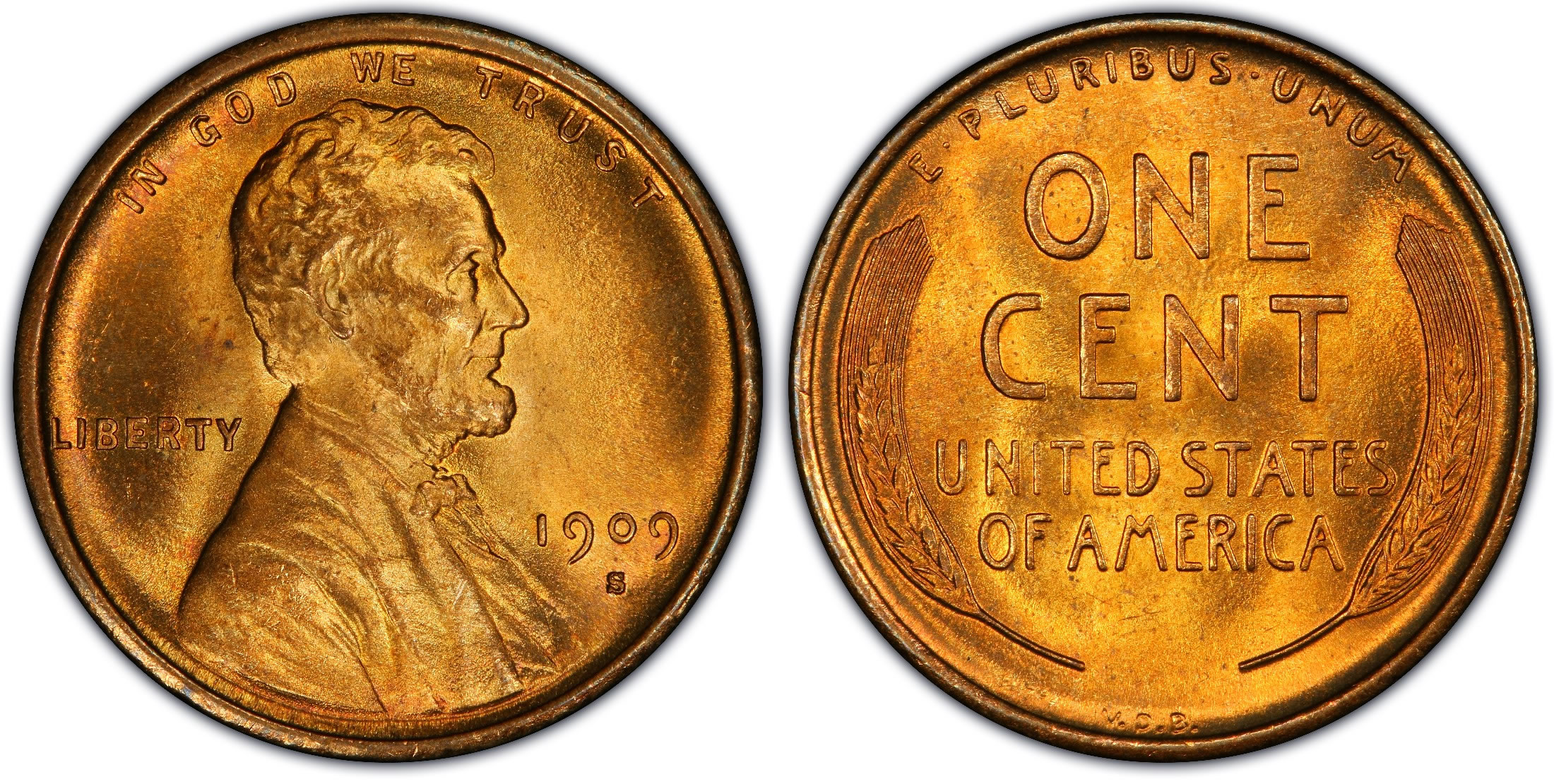
Three ways to turn coins into cash — sell them yourself, consign to an auction, or take a dealer’s offer — and how to prepare so you don’t leave money on the table.
The three main selling paths
- Sell yourself (eBay, coin shows, collector forums): the most work, but you keep the most of the final price (Numismatic News).
- Consign to an auction house: competitive bidding can push strong prices for desirable coins, but you’ll pay a seller’s commission and wait for the sale and payout (Numismatic News; Beantown Coins).
- Sell to a dealer: the fastest route — you’re paid on the spot — but the dealer buys at a discount to the expected resale price, because that margin is how the business works (Numismatic News).
Selling at auction: how it works
Consigning to an auction house means putting your coins in front of thousands of motivated bidders — and letting competition set the price. Here’s the process and what it costs.
The major coin auction houses
- Heritage Auctions — the world’s largest collectibles auctioneer; the traditional home for rare and high-value U.S. coins.
- Stack’s Bowers Galleries — the other traditional giant, with deep roots in numismatics and record-setting rare coin sales.
- GreatCollections — the online-first alternative: no minimum consignment, fast turnaround, and the lowest published seller fees in the business.
What sellers actually pay
- GreatCollections: 0% seller’s fee on coins that realize over $1,000, and 5% on coins at $1,000 or under — the simplest fee schedule in the industry, published on their site.
- Heritage: seller’s commissions are negotiable and typically run 10–15%, often reduced or waived entirely for high-value consignments.
- Buyer’s premium (~20% at the major houses) is added to the hammer price and paid by the winning bidder — it doesn’t come out of your check, but it shapes how aggressively people bid.
- Watch for extras: grading fees for raw coins (usually $10–$45+ per coin, often deducted at settlement), photography/cataloging (typically included in the commission), and shipping/insurance to get your coins to the house.
Timeline and payout
- From consignment to auction day usually takes several weeks: intake, authentication, professional photography, and cataloging all happen before your coins go live.
- After the sale, expect settlement within a few weeks. GreatCollections routinely pays consignors within 7–14 days of the auction (their terms allow 30).
- Need money faster? GreatCollections offers cash advances of up to half your consignment’s value — or skip the wait entirely and sell outright to a dealer or direct buyer.
How the options compare
- Dealer: immediate payment and no fees or shipping hassle, but typically the lowest net of the three routes (Beantown Coins).
- Auction: bidding wars can deliver the highest prices for rare or high-grade coins; expect a consignment commission and a wait of weeks or months (Beantown Coins).
- eBay: can beat a local shop’s offer for the right coins, but listing fees, final value fees, shipping costs, and payment processing all come out of your proceeds — do the math first (The Spruce Crafts).
Prepare before you sell
- Never clean your coins. Cleaning is the single biggest mistake sellers make — it destroys original surfaces and value (Busby Antiques).
- Separate bullion (valued for metal content) from numismatic coins (valued for rarity and condition), because they sell through different channels (Busby Antiques).
- Get two or three quotes from different dealers, and ask how each offer was calculated (Busby Antiques).
- Consider having key coins certified by PCGS or NGC before selling — certified coins generally bring stronger offers across every selling method (Beantown Coins).
- Research recent sold prices for comparable coins so you can recognize a fair offer (Busby Antiques).
Common mistakes
- Cleaning coins before selling — the #1 value killer (Busby Antiques).
- Taking the first offer without comparing quotes or checking sold listings (Busby Antiques).
- Forgetting to subtract fees, shipping, and commissions when comparing selling routes (The Spruce Crafts).
- Consigning low-value raw coins to auction, where grading and listing fees can exceed what the coin sells for.
Want a fast cash offer instead?
Auctions maximize price but take weeks. If you’d rather skip the fees, the shipping, and the wait, Caps Coins & Treasures buys coin collections outright — one offer, paid fast, no commissions. Call or text (224) 212-9205 with what you have.
Key facts
- The three routes: sell yourself, consign to auction, or sell to a dealer (Numismatic News).
- Dealers offer speed; auctions offer bidding competition; self-selling offers the highest potential net (Numismatic News; Beantown Coins).
- GreatCollections charges 0% seller’s fee over $1,000 and 5% at $1,000 or under; traditional houses negotiate commissions around 10–15%.
- Never clean coins; separate bullion from numismatic pieces; get multiple quotes (Busby Antiques).
- Certification by PCGS or NGC generally improves results across all methods (Beantown Coins).
Frequently Asked Questions
How do I sell old coins at auction?
Contact an auction house (Heritage Auctions, Stack’s Bowers Galleries, or GreatCollections), submit your coins for evaluation, sign a consignment agreement, and the house handles photography, cataloging, and the sale. You receive the hammer price minus the seller’s commission, usually within a few weeks of the auction.
What fees do coin auction houses charge sellers?
It varies by house and consignment value. GreatCollections charges 0% seller’s fee on coins that realize over $1,000 and 5% on coins $1,000 or under. At traditional houses like Heritage, seller’s commissions are negotiable and typically run 10–15%, often reduced or waived for high-value consignments.
What is the buyer’s premium at a coin auction?
The buyer’s premium — around 20% at the major houses — is added to the hammer price and paid by the winning bidder, not the seller. It doesn’t come out of your check, but it affects how bidders bid, so factor it into your expectations.
What is the best auction house for selling coins?
It depends on what you’re selling. Heritage Auctions and Stack’s Bowers Galleries are the traditional giants, best for rare and high-value coins. GreatCollections is the online-first alternative with the lowest seller fees and no minimum consignment — a strong fit for certified coins of moderate value.
How long does it take to get paid after consigning coins to auction?
Expect several weeks from consignment to payout: the house needs time for intake, photography, and cataloging before the sale, then settlement after. GreatCollections routinely pays consignors within 7–14 days of the sale (terms allow 30).
Should I get my coins graded before selling them at auction?
For valuable coins, yes — certified (PCGS or NGC) coins bring stronger, more predictable results at auction, and houses like GreatCollections require raw coins to be graded before listing anyway. For low-value coins, grading costs ($10–$45+ per coin) can exceed the coin’s value, so don’t grade everything blindly.
Is it better to sell coins at auction or to a dealer?
Auctions can deliver the highest prices for rare, high-grade, or in-demand coins thanks to competitive bidding — but you pay a commission and wait weeks. Dealers pay immediately with no fees, but at a discount to resale value. For common coins or a fast sale, a dealer (or a direct cash buyer) usually wins on simplicity.
Market check
Compare live coin collection listings on eBay:
Search eBay for coin collections
As an eBay Partner, The Coin Wiki may earn from qualifying purchases.
FREE DOWNLOAD
Before you spend that coin, check it.
The Pocket Change Key-Date Checklist covers the cents, nickels, dimes, quarters and halves still hiding in circulation — including the 1943 and 1983 errors worth five figures. One page to print, a lifetime of jars to check.