
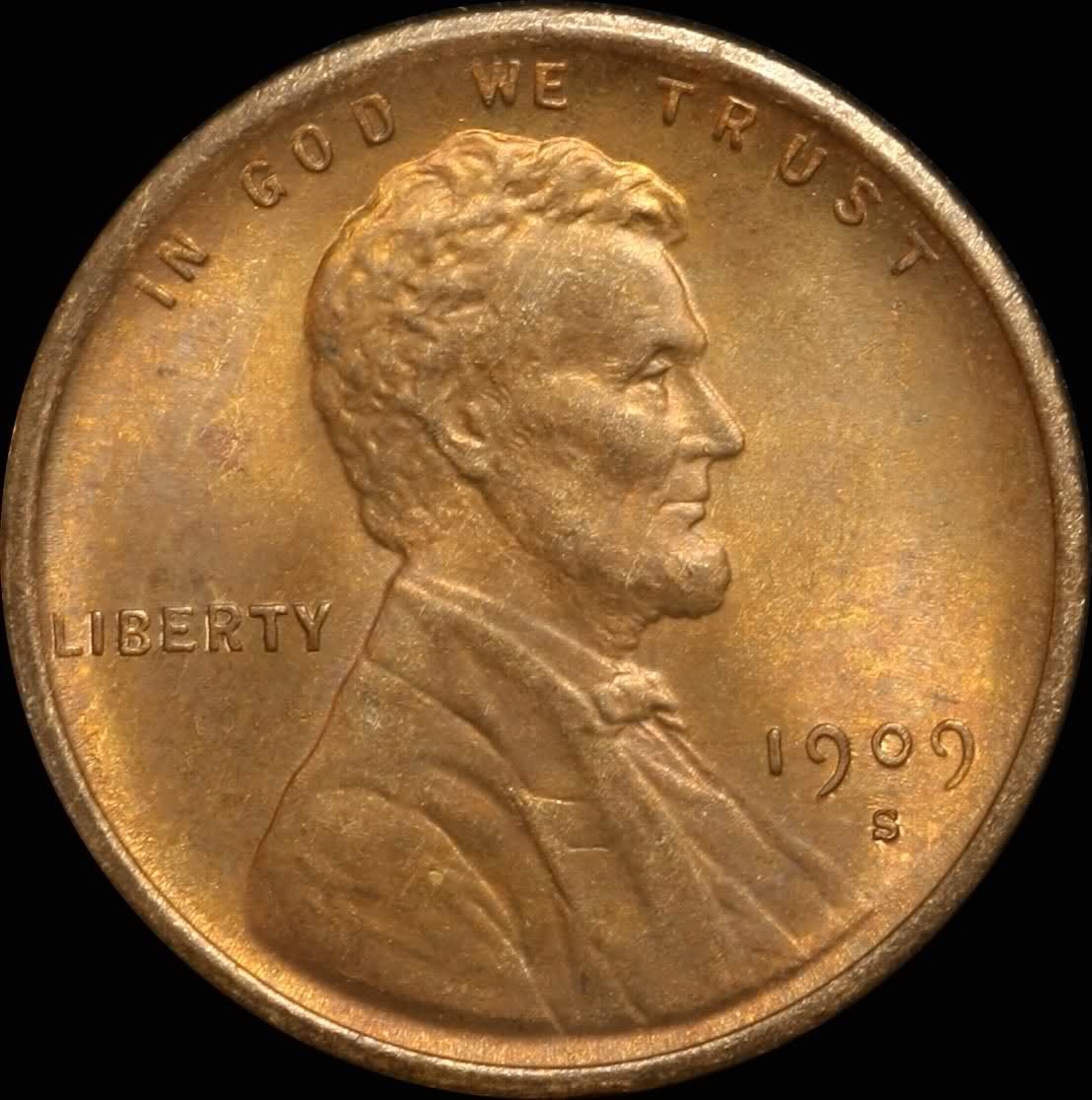
The rarest date-and-mintmark combination in a series: the coin that is hardest to obtain, usually the last one a collector buys, and typically the most expensive piece in the set.
What it is
- A key date is a date (or a specific date-and-mintmark combination) within a coin series that is noticeably harder to obtain than the other dates in that series (Wikipedia).
- The difficulty comes from some combination of a low original mintage, a low survival rate, condition rarity (few high-grade examples exist), and strong collector demand (The Spruce Crafts).
- A semi-key date is similar but less extreme: harder to find than a common date, commanding a premium, but not as rare or expensive as a true key date (Wikipedia).
- Within a series, the key date is usually the coin that carries the highest catalog value and is the last piece a collector acquires to complete a set (The Spruce Crafts).
What makes a coin a key date
- Low original mintage. Fewer coins struck means fewer possible survivors; the 1909-S VDB cent's mintage of 484,000 makes it the rarest and most expensive Lincoln cent (Wikipedia).
- Low survival rate. Even with a normal mintage, heavy circulation or large-scale meltings can leave very few survivors (The Spruce Crafts).
- Condition rarity. Some dates are common in worn condition but scarce in uncirculated grades, which creates key-date pricing at the top end (The Spruce Crafts).
- Collector demand. A huge collector base, like the millions who collect Lincoln cents, turns a scarce date into a key date; without demand, scarcity alone doesn't create key-date premiums (The Fun Times Guide to Coins).
Famous key dates to know
- 1909-S VDB Lincoln cent — the first-year issue from San Francisco, with a mintage of 484,000, is the most famous key date in American numismatics (Wikipedia).
- 1893-S Morgan dollar — with just 100,000 struck, it is the lowest-mintage business-strike Morgan dollar and the key date of the series (Wikipedia).
- 1916-D Mercury dime — 264,000 were struck, making it the key date of the Mercury dime series (Centennial Auctions).
- 1932-D and 1932-S Washington quarters — low-mintage first-year issues that anchor the Washington quarter series (Bullion Sharks).
What to look for
- Check both the date and the mintmark: a coin can be common from one mint and a key date from another (Bullion Sharks).
- Use a reference such as a price guide to confirm which dates in a series carry premiums before buying or selling (Bullion Sharks).
- Condition matters enormously: key dates are the most commonly counterfeited and altered coins, so certified examples are worth the caution for expensive pieces.
Common mistakes
- Assuming low mintage alone makes a coin valuable — without collector demand, a scarce coin can still be cheap (The Fun Times Guide to Coins).
- Assuming old always means valuable — many 19th-century dates are common, while some 20th-century key dates carry the real premiums (The Spruce Crafts).
Key facts
- A key date is the hardest-to-obtain date or date/mintmark combination in a series (Wikipedia).
- Low mintage, low survival, condition rarity, and demand all contribute (The Spruce Crafts).
- 1909-S VDB cent: 484,000 struck; 1893-S Morgan dollar: 100,000 struck; 1916-D Mercury dime: 264,000 struck (Wikipedia; Centennial Auctions).
- A semi-key date carries a premium but is not as rare as a true key date (Wikipedia).
Market check
Compare live key-date coin listings on eBay:
Search eBay for key date coins
As an eBay Partner, The Coin Wiki may earn from qualifying purchases.
FREE DOWNLOAD
Before you spend that coin, check it.
The Pocket Change Key-Date Checklist covers the cents, nickels, dimes, quarters and halves still hiding in circulation — including the 1943 and 1983 errors worth five figures. One page to print, a lifetime of jars to check.