
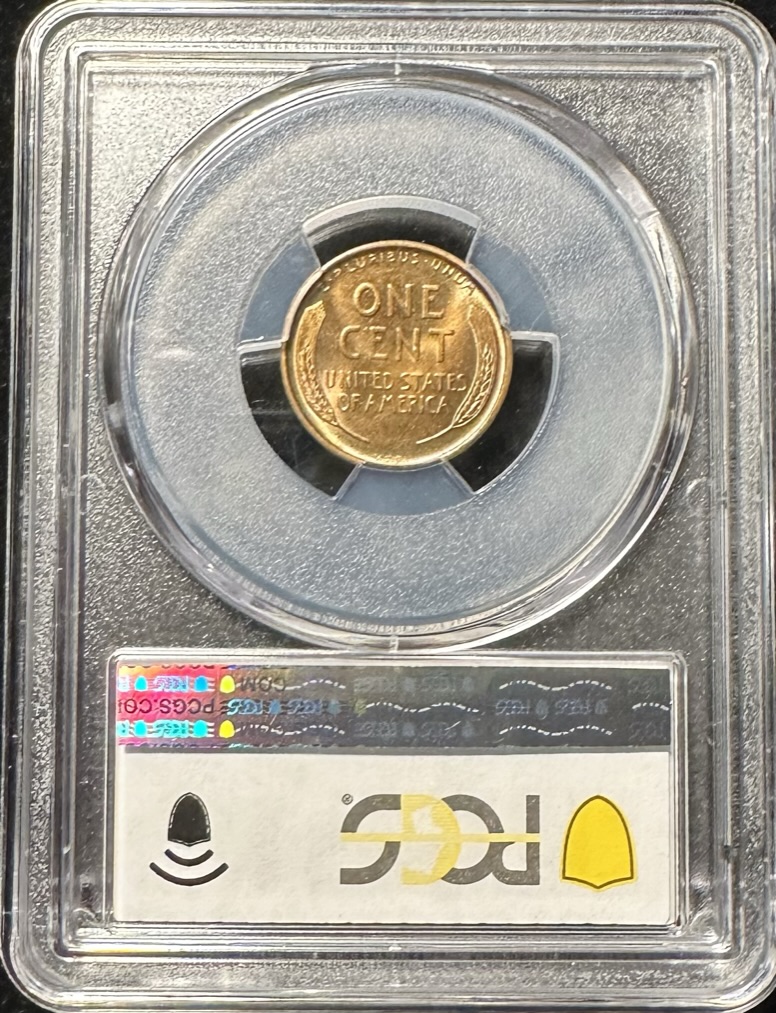
Buy rolls of pennies at face value from a bank, search them for wheat cents and errors, and keep anything worth more than a cent — the cheapest treasure hunt in coin collecting.
What it is
- Penny roll hunting means buying rolls of pennies (usually 50 coins for 50 cents face value) from banks and searching them one by one for collectible coins (Coin-Identifier).
- The main target is wheat cents — Lincoln cents with the wheat-ear reverse struck from 1909 to 1958 — which still turn up in circulation rolls (Bullion Sharks).
- Hunters also watch for copper cents (pre-1982), error coins, and varieties such as doubled dies and repunched mintmarks (Coin-Identifier).
- It is a low-cost hobby: your “investment” is face value, and anything you don't keep can be spent or returned to the bank (Coin-Identifier).
What to look for
- Wheat cents of any date: even common ones are worth keeping as the start of a collection (Bullion Sharks).
- Key dates and varieties: 1909-S VDB, 1914-D, 1922 No D, 1931-S, and the 1955 Doubled Die Obverse (Bullion Sharks; ProxiBlog).
- 1943 steel cents: struck in zinc-coated steel while copper went to the war effort; the rare 1943 copper or 1944 steel pieces are valuable transitional errors (DiamBars).
- Errors: off-center strikes, doubled dies (1955 is the famous one), and repunched mintmarks like the 1946-S/D — the 1922 “No D” happened when a worn die was over-polished and lost its mintmark (ProxiBlog).
- Copper cents: pre-1982 cents are 95% copper and are often cited as containing roughly 2.5 times their face value in copper at typical copper prices (Coin-Identifier).
How to do it
- Ask your bank for rolls of pennies; some hunters also buy customer-wrapped rolls, which are less likely to have been searched (Coin-Identifier).
- Sort by date and mintmark, then check wheat cents closely with a loupe or magnifier for varieties and errors (Bullion Sharks).
- Keep a list of what you've found and what you're still hunting; roll hunting is a volume game, so patience matters (Bullion Sharks).
Common mistakes
- Expecting every roll to produce a find — most rolls contain nothing but modern cents, and that's normal (Bullion Sharks).
- Cleaning finds: cleaning destroys collector value; leave coins as found (DiamBars).
- Overpaying for “unsearched” rolls online at big premiums over face value without knowing the seller (Coin-Identifier).
Key facts
- Wheat cents were struck 1909–1958; a standard roll holds 50 coins at 50 cents face value (Bullion Sharks; Coin-Identifier).
- Key roll finds include 1909-S VDB, 1914-D, 1922 No D, 1931-S, and 1955 Doubled Die (Bullion Sharks).
- 1943 steel cents are common; 1943 copper and 1944 steel are the rare errors (DiamBars).
- Search date, mintmark, variety, and condition — never clean what you find (ProxiBlog; DiamBars).
Market check
Compare live wheat-penny roll listings on eBay:
Search eBay for wheat penny rolls
As an eBay Partner, The Coin Wiki may earn from qualifying purchases.
FREE DOWNLOAD
Before you spend that coin, check it.
The Pocket Change Key-Date Checklist covers the cents, nickels, dimes, quarters and halves still hiding in circulation — including the 1943 and 1983 errors worth five figures. One page to print, a lifetime of jars to check.