
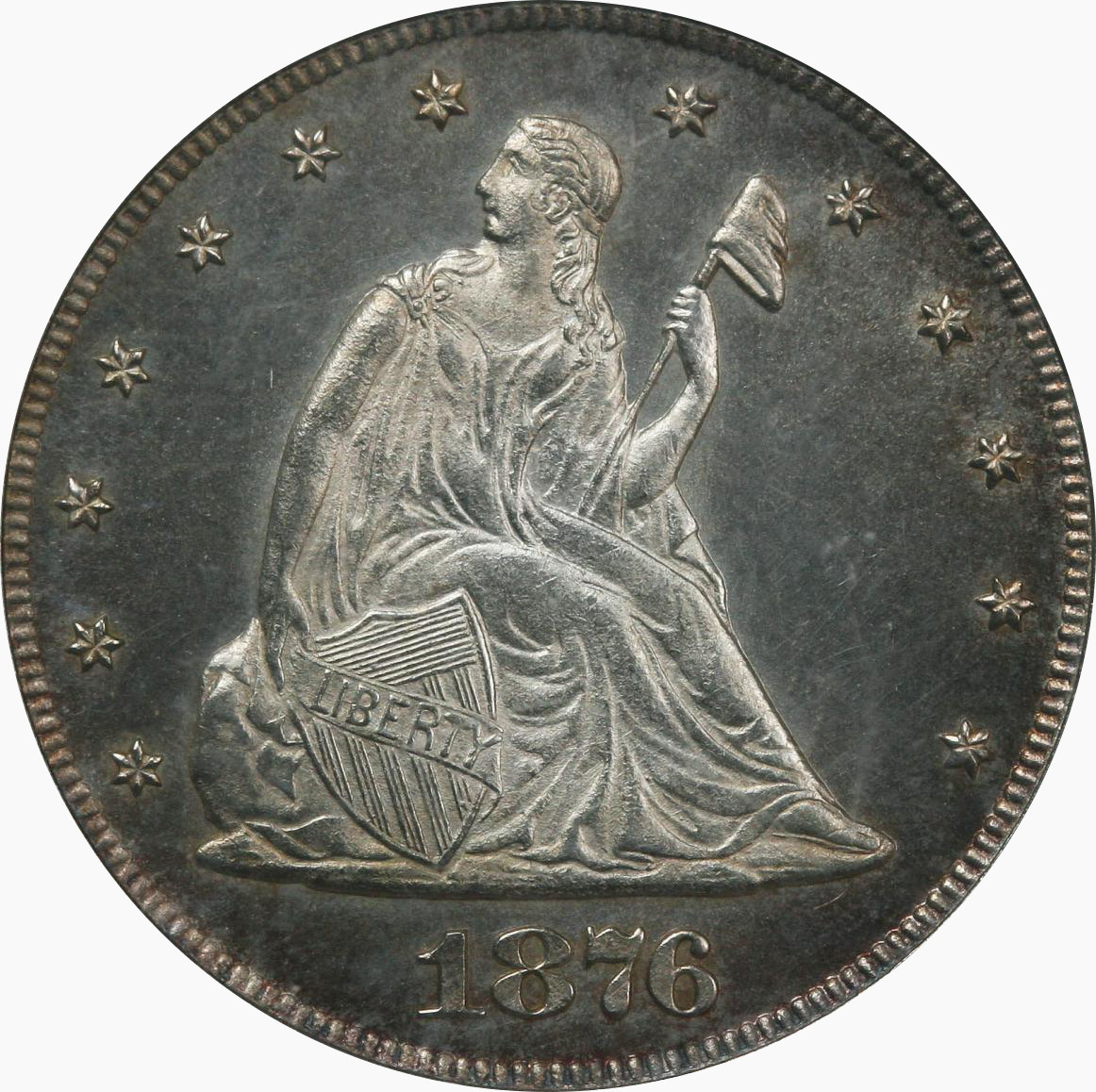
Both are annual sets of that year's coins — but a mint set holds regular uncirculated strikes, while a proof set holds specially made mirror-finish collector coins.
What they are
- A mint set contains uncirculated examples of a year's circulating coins — normal business strikes pulled from production before they ever entered circulation (The Coin HQ).
- A proof set contains coins made by a special process — polished planchets and dies, struck multiple times — with mirror-like fields and frosted devices (Wikipedia).
- U.S. mint sets have been issued since 1947; U.S. proof sets since 1950. Neither was issued from 1965 to 1967, when Special Mint Sets took their place (The Coin HQ; Wikipedia).
- The key distinction: a mint set coin is a regular coin that never circulated; a proof coin is a coin that was never meant to circulate (Answers.com).
Mint sets
- Mint sets include one uncirculated example of each circulating denomination from each mint — typically Philadelphia (P) and Denver (D) (The Coin HQ).
- Because they're business strikes, mint set coins look like exceptionally nice pocket change: full luster, no mirror finish (NGC).
- From 2005 to 2010, U.S. mint set coins were given a special satin finish to distinguish them from circulation strikes (NGC).
Proof sets
- Modern U.S. proof sets are struck at the San Francisco Mint and carry the S mintmark (The Coin HQ).
- Since 1992, the Mint has also sold Silver Proof Sets containing the dime, quarters, and half dollar struck in 90% silver instead of clad (The Coin HQ).
- Proof sets are sold in protective packaging, usually with a certificate of authenticity, and collectors typically never remove the coins (The Spruce Crafts).
Which should you collect?
- Proof sets generally cost more and appeal to collectors who love the cameo contrast and presentation packaging (Answers.com).
- Mint sets are the economical way to own pristine examples of every circulating coin from a given year (The Coin HQ).
- Neither is a shortcut to riches: most modern sets trade near their issue price, so buy the years and finishes you enjoy (The Coin HQ).
Key facts
- Mint set = uncirculated business strikes (P and D); proof set = specially struck mirror-finish coins (S) (The Coin HQ).
- U.S. mint sets since 1947; proof sets since 1950; both skipped 1965–1967 (The Coin HQ; Wikipedia).
- Silver Proof Sets (90% silver dime, quarters, half dollar) offered since 1992 (The Coin HQ).
- 2005–2010 mint sets have a distinctive satin finish (NGC).
Market check
Compare live U.S. proof set listings on eBay:
Search eBay for U.S. proof sets
As an eBay Partner, The Coin Wiki may earn from qualifying purchases.
FREE DOWNLOAD
Before you spend that coin, check it.
The Pocket Change Key-Date Checklist covers the cents, nickels, dimes, quarters and halves still hiding in circulation — including the 1943 and 1983 errors worth five figures. One page to print, a lifetime of jars to check.