
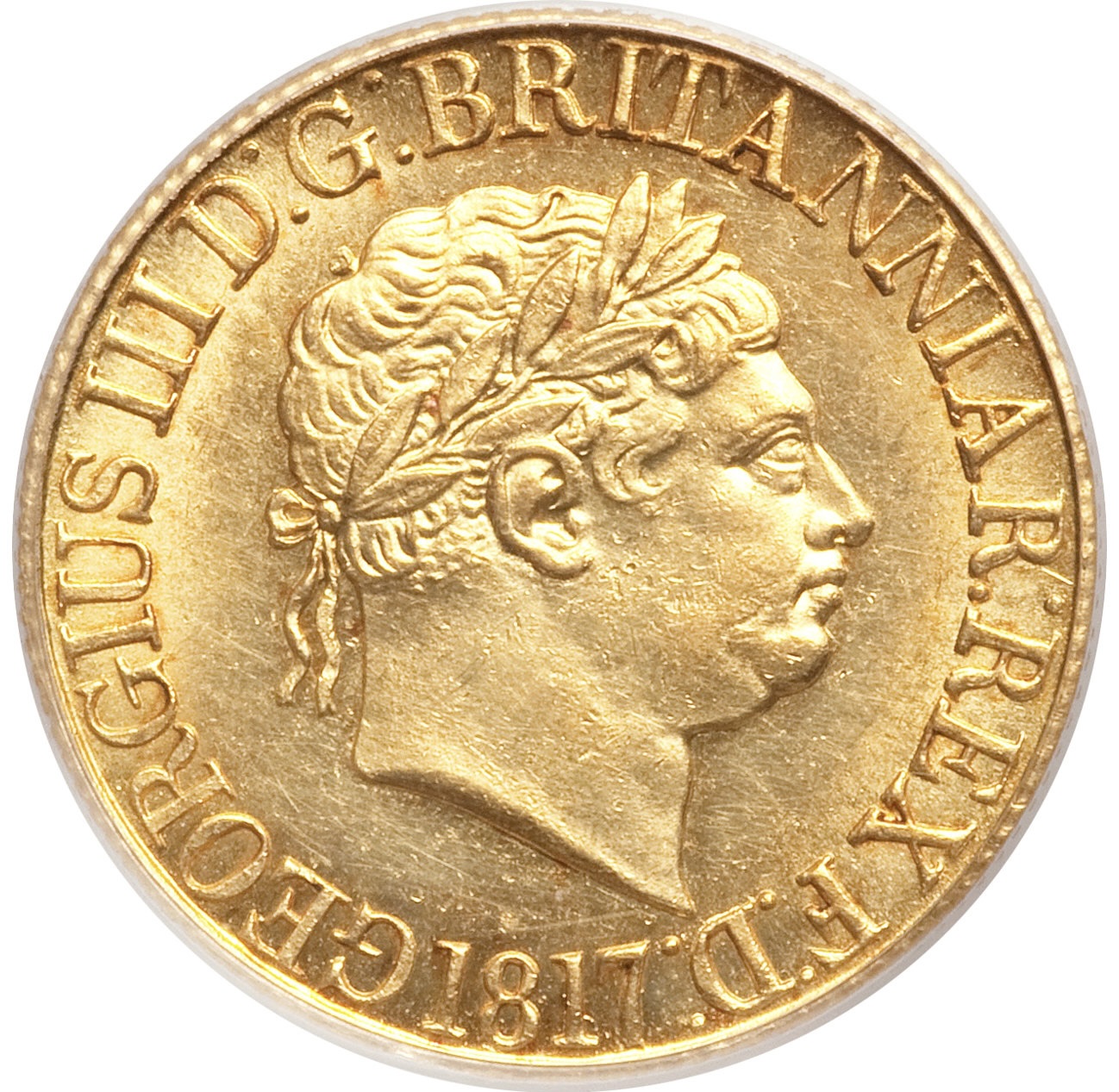
Weigh it, measure it, test it with a magnet — the home tests that catch most fake gold coins, and why none of them is conclusive on its own.
The most reliable home tests
- Weight and dimensions: compare the coin's weight on a jeweler's scale and its diameter and thickness with calipers against the official specifications. Precious-metal coins are made to exact standards, and most fakes miss at least one measurement (The Coin HQ).
- Magnet test: gold is non-magnetic, so if a coin sticks to a strong magnet it is definitely fake. But passing the magnet test does not prove a coin is genuine — many fakes use non-magnetic metals (Cash4Coins).
- Ping test: balance the coin on a fingertip and tap it — genuine gold and silver ring with a clear, sustained tone, while many fakes produce a dull thud (Cash4Coins).
- Visual inspection: compare fine details — lettering, denticles, edge reeding — against a known genuine example; soft or mushy details are a red flag (GoldSilver).
Why fakes can still fool tests
- Tungsten-core fakes are the classic problem: tungsten's density (19.25 g/cm³) is nearly identical to gold's (19.30 g/cm³), so a tungsten-filled fake can pass weight and size tests (GoldSilver).
- Gold-plated base-metal fakes pass the magnet test if the core metal is non-magnetic — which is why a single test is never enough (The Coin HQ).
- Sophisticated counterfeits of popular coins like sovereigns and American Gold Eagles circulate widely, so familiarize yourself with the genuine article before buying (GoldSilver).
Example: know the specs
- A 1 oz American Gold Eagle weighs 33.931 g and measures 32.70 mm in diameter — any deviation means walk away (GoldSilver).
- A British gold sovereign weighs 7.988 g at 22-karat fineness — the specs are published and easy to check (Cash4Coins).
- Keep the official specifications for any coin you buy regularly; a $30 scale and caliper set pays for itself with one avoided fake (Money Metals).
Common mistakes
- Trusting a single test — combine weight, dimensions, magnet, ping, and visual checks (The Coin HQ).
- Buying expensive gold coins from unknown sellers with no return policy to save a few dollars (The Coin HQ).
- Skipping certification: for high-value coins, PCGS or NGC certification is the strongest protection (The Coin HQ).
Key facts
- Weight + dimensions vs. official specs is the most reliable home test (The Coin HQ).
- The magnet test catches magnetic fakes but cannot confirm genuineness (Cash4Coins).
- Tungsten (19.25 g/cm³) nearly matches gold's density (19.30 g/cm³), defeating weight tests alone (GoldSilver).
- 1 oz Gold Eagle: 33.931 g, 32.70 mm (GoldSilver). Buy from established dealers and prefer certified coins (The Coin HQ).
Market check
Compare live gold sovereign listings on eBay:
Search eBay for gold sovereigns
As an eBay Partner, The Coin Wiki may earn from qualifying purchases.
FREE DOWNLOAD
Before you spend that coin, check it.
The Pocket Change Key-Date Checklist covers the cents, nickels, dimes, quarters and halves still hiding in circulation — including the 1943 and 1983 errors worth five figures. One page to print, a lifetime of jars to check.