
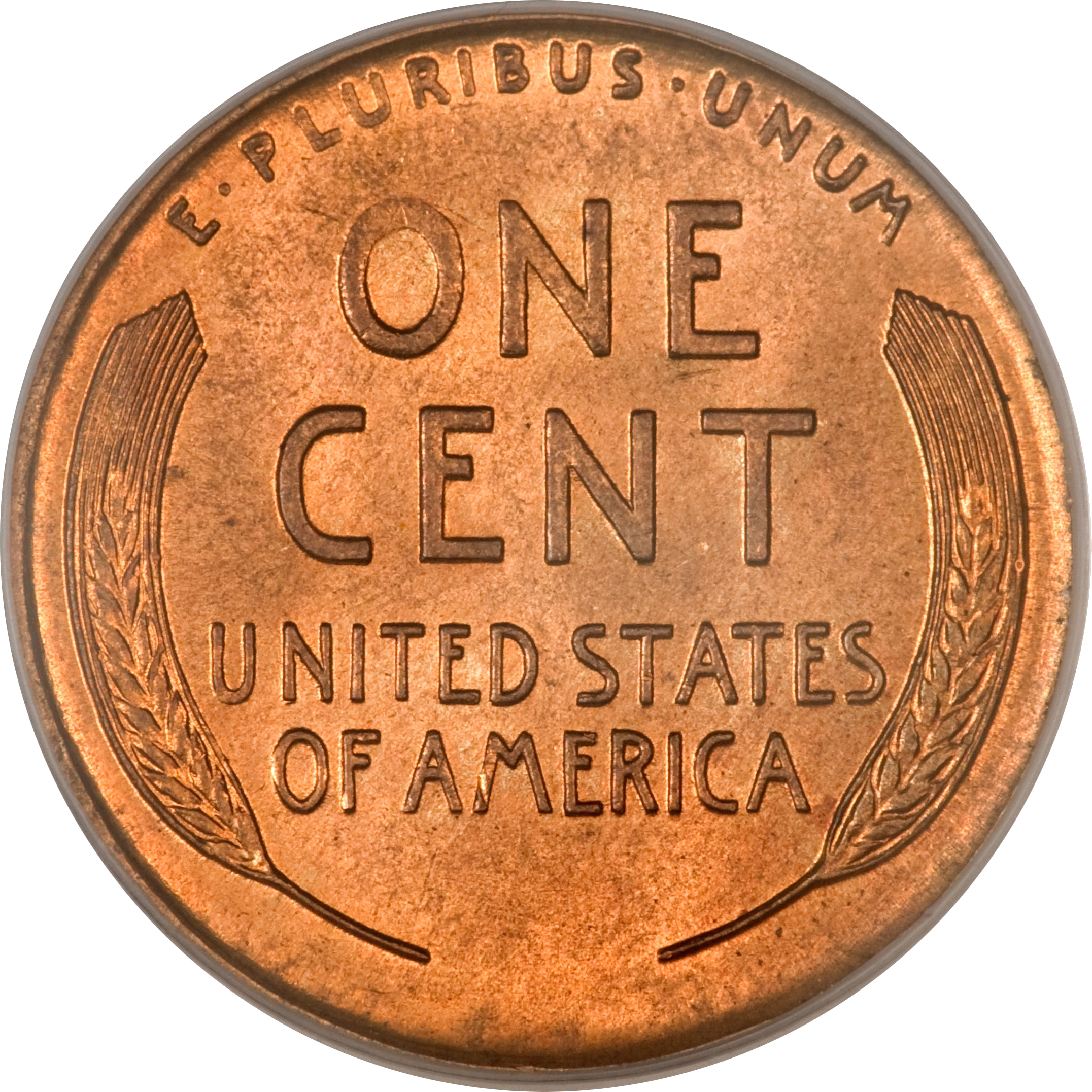
Specifications
- Denomination
- 1 cent
- Series
- Lincoln cent — Wheat reverse
- Designer
- Victor David Brenner
- Edge
- Plain
- Mint marks
- D (Denver)
- Key mintages
- 7,160,000 cents struck at Denver in 1922; one die pair shows no mintmark (Coin World)
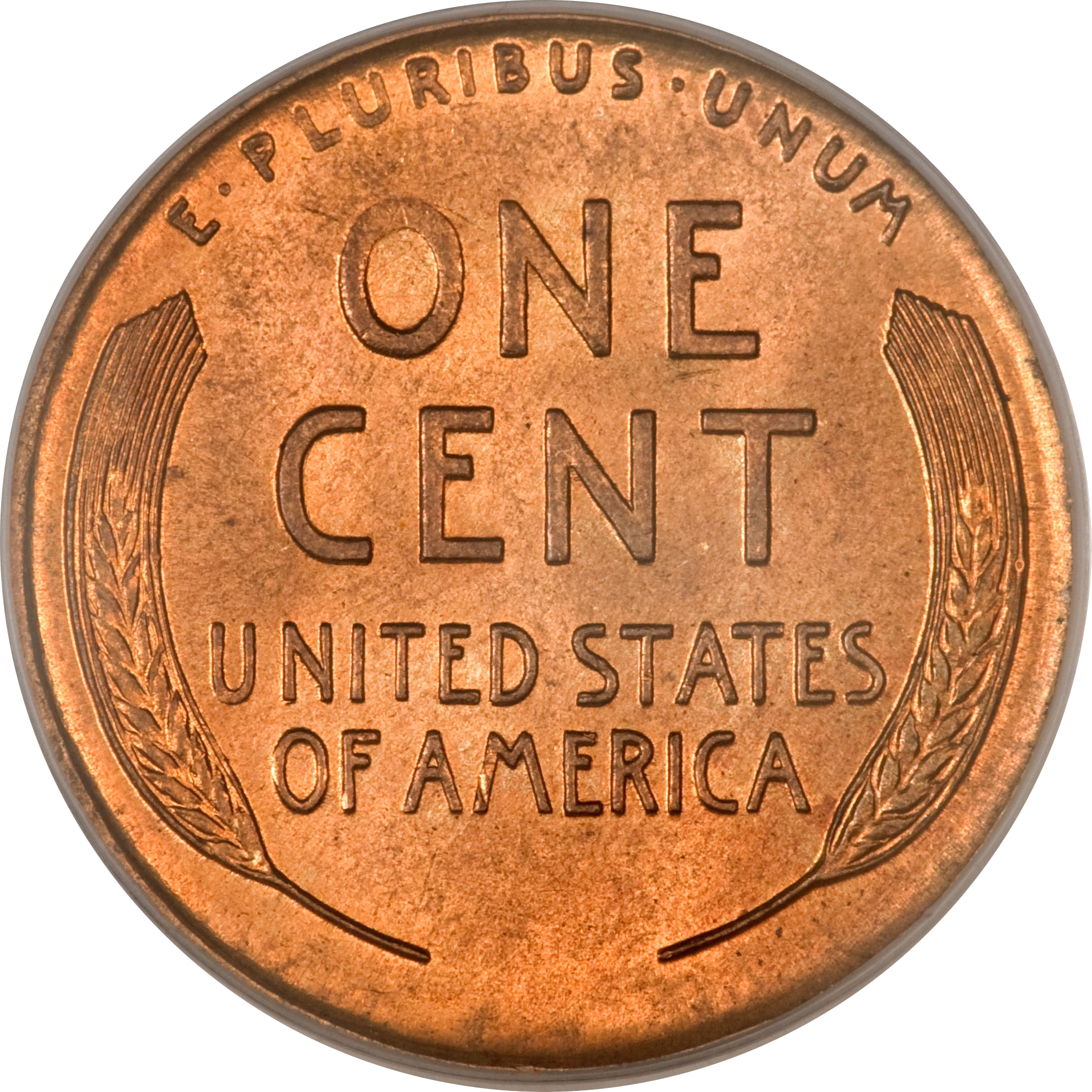
A missing mintmark usually means Philadelphia — except the 1922 'Plain' cent, where a Denver die lost its D and became a variety.
History
- A missing mintmark usually means the coin was struck at Philadelphia — but not always (Coin World).
- No 1922 cents were struck at Philadelphia; of the 7,160,000 cents struck at Denver that year, one die pair shows no mintmark, giving collectors the 1922 'Plain' cent (Coin World).
- The missing D most likely resulted from a die clash, and the standard reference explanation is that the D was ground off Die Pair 2 when the die was relapped to extend its life (Coin World).
What is it worth
- Of the four die pairs, the 'No D, Strong Reverse' is the most expensive by far; the Weak D and Weak Reverse varieties sell for much less (Coin World)
- Heritage Auctions sold an AU58 PCGS example with a green CAC sticker for $9,600 at its March Dallas Signature auction, while another in the same grade brought $8,400 at an October 2018 Heritage sale (Coin World)
What drives the premium
- The premium variety is the 'No D, Strong Reverse' of Die Pair 2 (Coin World)
- Inclusion in the Red Book and grading-service registry sets has made the variety a must-have for series specialists (Coin World)
How to identify the valuable variety
- A genuine Die Pair 2 coin has no trace of a D, a weakly detailed obverse, and a comparatively strong reverse; even Mint State survivors show weak detail in Lincoln's hair from the worn dies rather than from wear (Coin World)
- Authentication turns on the date: the true No D shows a thin, ‘wormy,’ curved top on the second 2, shaped differently from the first 2 (Numismatic News)
- Altered coins are the great hazard — some coins have simply had the D removed from a 1922-D — so any candidate should be checked by a major grading service (Numismatic News; Coin World)
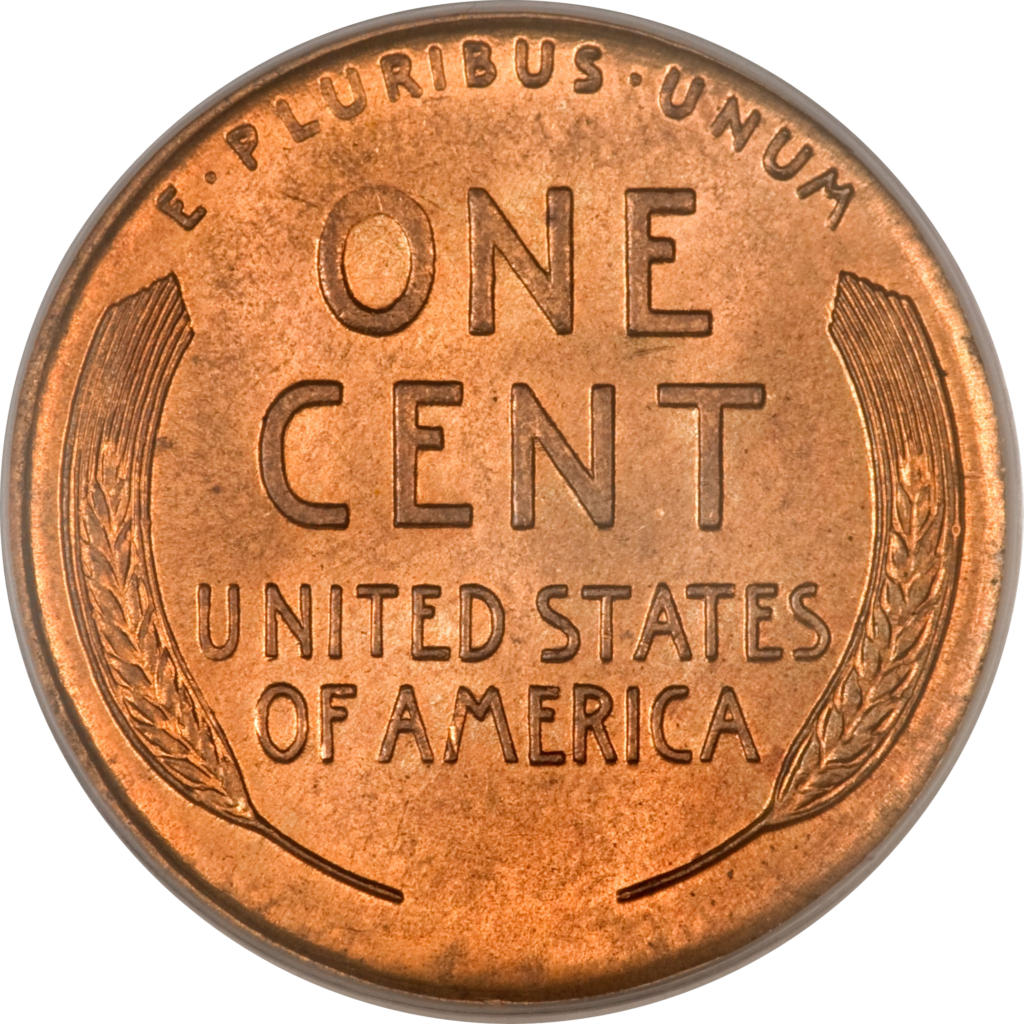
- 1922 'Plain' — No D, Strong Reverse (Die Pair 2); no 1922 cents were struck at Philadelphia (Coin World).
Specifications
- Composition: Bronze: 95% copper, 5% tin and zinc — the type that includes the famous 1922 No D (Coin World)
- Weight: Not verified in consulted references
- Diameter: Not verified in consulted references
- Edge: Plain
- Alignment: Not verified in consulted references
- Designers: Victor David Brenner (Coin World)
- Mint: Denver — the 1922 'Plain' is a Denver product; no 1922 cents were struck at Philadelphia (Coin World)
Collector notes
- 1922 Weak D and Weak Reverse — other die pairs, worth much less (Coin World).
Market check
Compare live listings for this coin on eBay:
Search eBay for No Mint Mark Pennies Worth Money
As an eBay Partner, The Coin Wiki may earn from qualifying purchases.
Related Coins
Live on eBay
Live asking prices — not sale records.

As an eBay Partner, The Coin Wiki may earn from qualifying purchases.
FREE DOWNLOAD
Before you spend that coin, check it.
The Pocket Change Key-Date Checklist covers the cents, nickels, dimes, quarters and halves still hiding in circulation — including the 1943 and 1983 errors worth five figures. One page to print, a lifetime of jars to check.